Key Takeaways:
-
Carefully choose a location considering demographics, accessibility, and competition.
-
Decide whether to lease or invest in building your own store based on long-term goals and budget.
-
Understand your target market through research to inform product selection and store design.
-
Plan the store layout and visual merchandising to encourage exploration and maximize sales.
-
Hire, train, and retain staff who provide excellent customer service and support operations.
-
Use marketing strategies, pre-launch campaigns, and pricing tactics to drive traffic and revenue.
-
Monitor performance, adapt to trends, and maintain financial and regulatory compliance for sustainable growth.
Opening a retail store can be an exciting adventure, but it’s also one of the most challenging undertakings for any entrepreneur. From scouting the perfect location to choosing the right layout, there are countless decisions to make along the way. This guide will walk you through every step of the process, helping you avoid common pitfalls and launch a store that attracts customers and drives sales.
Why Start a Retail Store?
Before jumping into the logistics, it’s important to clarify why you’re opening a retail store. Retail businesses thrive on face-to-face interactions, brand experience, and the ability to showcase products in a physical setting. While online sales continue to grow, brick-and-mortar stores still offer advantages that digital platforms can’t fully replicate:
-
Customer experience: Shoppers can touch, feel, and try products.
-
Brand visibility: A physical presence increases awareness in the local community.
-
Impulse purchases: Strategic product placement and in-store promotions can boost sales.
-
Community engagement: Stores can host events, workshops, or product demos.
Understanding your motivation helps shape your strategy from location selection to marketing campaigns.
How Do You Choose the Right Location?
The location of your retail store is arguably the most critical factor in its success. A great product or service won’t matter if your store is hard to find or located where foot traffic is low.
When evaluating potential locations, consider:
-
Demographics: Are the local residents likely to buy your products?
-
Accessibility: Is the store easy to reach by car, foot, or public transit?
-
Competition: Are there similar stores nearby? How will you differentiate?
-
Foot traffic: High-traffic areas can increase exposure but may come with higher rent.
-
Parking and logistics: Ensure there’s adequate space for customers and deliveries.
Visiting multiple locations at different times of day and week can help you get a realistic sense of traffic patterns and potential.
Should You Lease or Own Your Retail Space?
One of the earliest decisions is whether to lease an existing retail space or invest in building your own store. Each option has pros and cons:
Leasing:
-
Lower upfront cost
-
Flexible lease terms allow relocation if needed
-
Limited control over renovations
Owning/Building a Commercial Property:
-
Full control over design and layout
-
Potential long-term investment
-
Higher upfront cost and longer timeline
If you’re considering construction, factor in zoning, permits, and timelines for completing renovations. Building a commercial property can be worth it if you’re committed to a long-term presence, but it requires careful planning and budget management.
How Do You Understand Your Target Market?
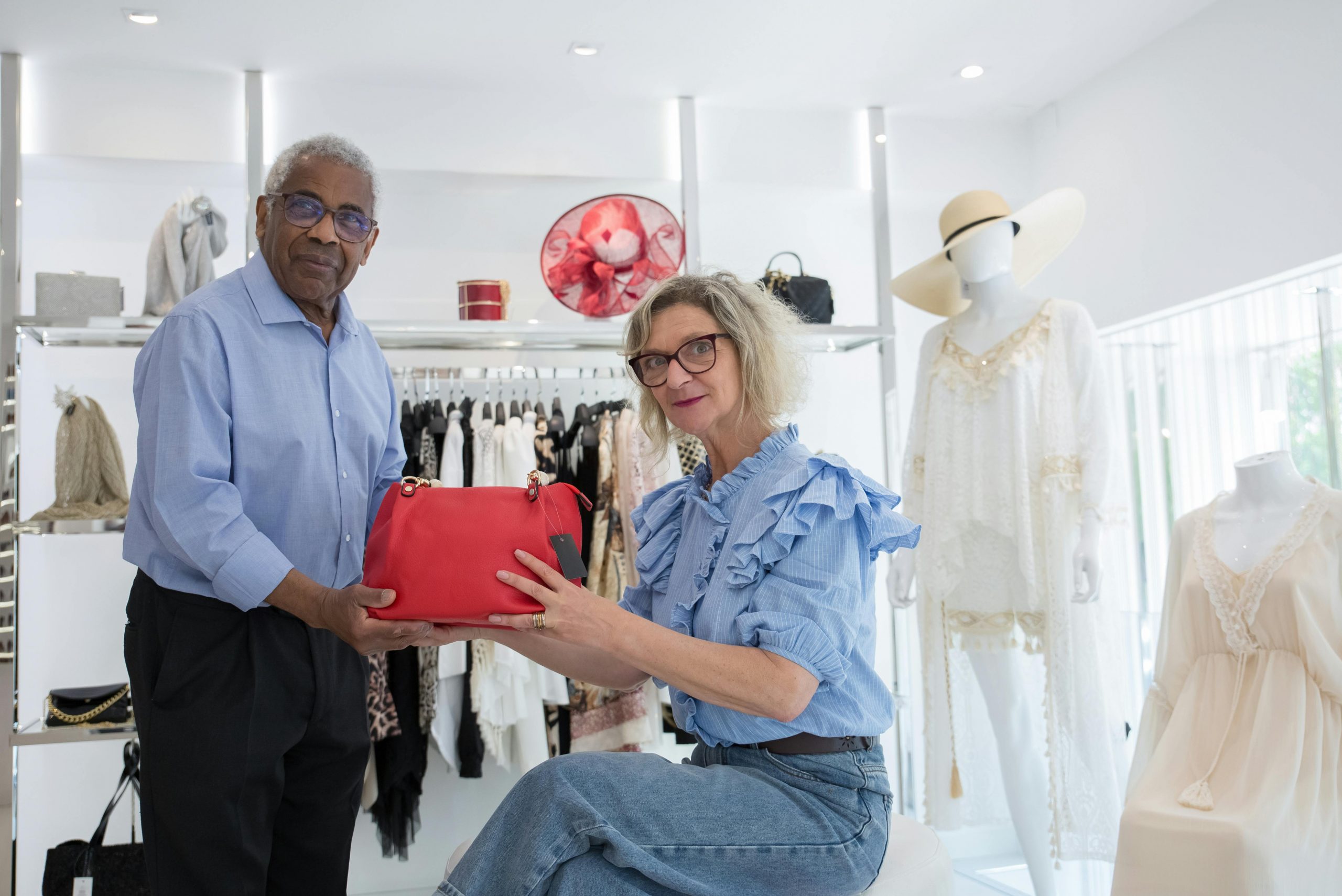
Knowing your customers is crucial. Conducting market research can save you from costly mistakes later. Start by asking:
-
Who is most likely to buy your products?
-
What problems or needs do they have?
-
Where do they usually shop?
-
What price points are they comfortable with?
You can gather this information through surveys, focus groups, competitor analysis, or even social media insights. A strong understanding of your target market informs everything from product selection to store layout and marketing strategy.
How to Plan Your Retail Store Layout
A thoughtful layout can make the difference between a store that feels cramped and confusing and one that encourages shoppers to explore. Consider the following:
-
Store flow: Ensure a natural path from entrance to checkout.
-
Product placement: High-demand or seasonal items should be easily visible.
-
Visual merchandising: Attractive displays draw attention and enhance sales.
-
Checkout area: Position near the exit but allow enough space for queues.
-
Accessibility: Keep aisles wide enough for strollers, wheelchairs, and carts.
Some stores also use zoning: grouping products by category or theme to make navigation intuitive. Retail design software or consulting a professional can help you maximize the available space.
What Permits and Licenses Do You Need?
Legal compliance is non-negotiable. Requirements vary by city and country, but common steps include:
-
Registering your business
-
Obtaining a business license
-
Sales tax permit or VAT registration
-
Health or safety permits if you sell food or beverages
-
Signage permits for exterior displays
Failing to secure the right permits can lead to fines or forced closures, so it’s wise to research early and maintain proper documentation.
How Do You Stock Your Store?
Inventory planning is essential to avoid overstocking or running out of popular items. Start with:
-
Core products: Your bestsellers or flagship items
-
Seasonal items: Products that align with holidays or trends
-
Supplier agreements: Negotiate favorable terms and delivery schedules
-
Inventory management system: Helps track stock levels and reorder points
Consider launching with a manageable range and expanding as you learn which products resonate most with customers.
What Technology Do You Need in Your Retail Store?
Technology improves efficiency, customer experience, and sales tracking. Essential tools include:
-
Point of Sale (POS) system: Process payments, track inventory, and manage customer data.
-
Security cameras and alarms: Protect assets and deter theft.
-
Customer Relationship Management (CRM) software: Track interactions and build loyalty.
-
E-commerce integration: Online sales channels can complement your physical store.
Additionally, setting up Wi-Fi, barcode scanners, and digital signage can enhance operations and customer experience.
How Do You Market Your Retail Store Before Opening?
Generating buzz before your store opens is key to a strong launch. Strategies include:
-
Social media announcements and teasers
-
Email campaigns to local subscribers
-
Press releases to local news outlets
-
Collaborations with influencers or community organizations
-
Pre-opening events or soft launches for friends and family
Creating anticipation ensures you have foot traffic from day one.
How to Price Your Products
Pricing can make or break a retail business. Consider:
-
Cost-plus pricing: Add a markup to your wholesale or production costs
-
Competitive pricing: Match or slightly undercut competitors
-
Value-based pricing: Price according to the perceived value to the customer
-
Promotions: Discounts and bundles to drive traffic and sales
Track your sales and adjust pricing strategies as needed to maintain profitability.
How to Hire and Train Staff
Your employees are the face of your store. Hiring the right team is essential:
-
Write clear job descriptions
-
Conduct structured interviews
-
Prioritize customer service skills
-
Provide training on product knowledge and store policies
-
Implement ongoing performance evaluations
Happy, well-trained employees create a positive shopping experience and can help boost sales and customer loyalty.
How to Set Up Security in Your Retail Store
Safety should never be an afterthought. Proper precautions protect both your staff and customers. Key considerations include:
-
Install surveillance cameras and alarm systems
-
Use secure locks and access control for sensitive areas
-
Implement employee training on handling emergencies
-
Conduct routine safety audits
Security measures for commercial buildings ensure your store is protected against theft, vandalism, and accidents, giving both you and your customers peace of mind.
How to Launch Your Retail Store Successfully
Your grand opening is the culmination of all your planning. To maximize impact:
-
Schedule a launch date that aligns with customer availability
-
Host an event with discounts, giveaways, or product demos
-
Leverage social media and email marketing for announcements
-
Ensure all staff are briefed and ready to deliver excellent service
-
Monitor inventory closely to avoid stock shortages
A strong launch sets the tone for long-term success and helps establish your store in the local community.
How to Monitor Performance After Opening
Opening the store is just the beginning. Tracking performance helps you identify what’s working and what needs improvement. Key metrics include:
-
Daily and weekly sales reports
-
Customer foot traffic and conversion rates
-
Inventory turnover
-
Employee performance and customer feedback
-
Marketing campaign effectiveness
Regular analysis allows you to make data-driven decisions and optimize operations.
How to Adapt and Grow Your Retail Business
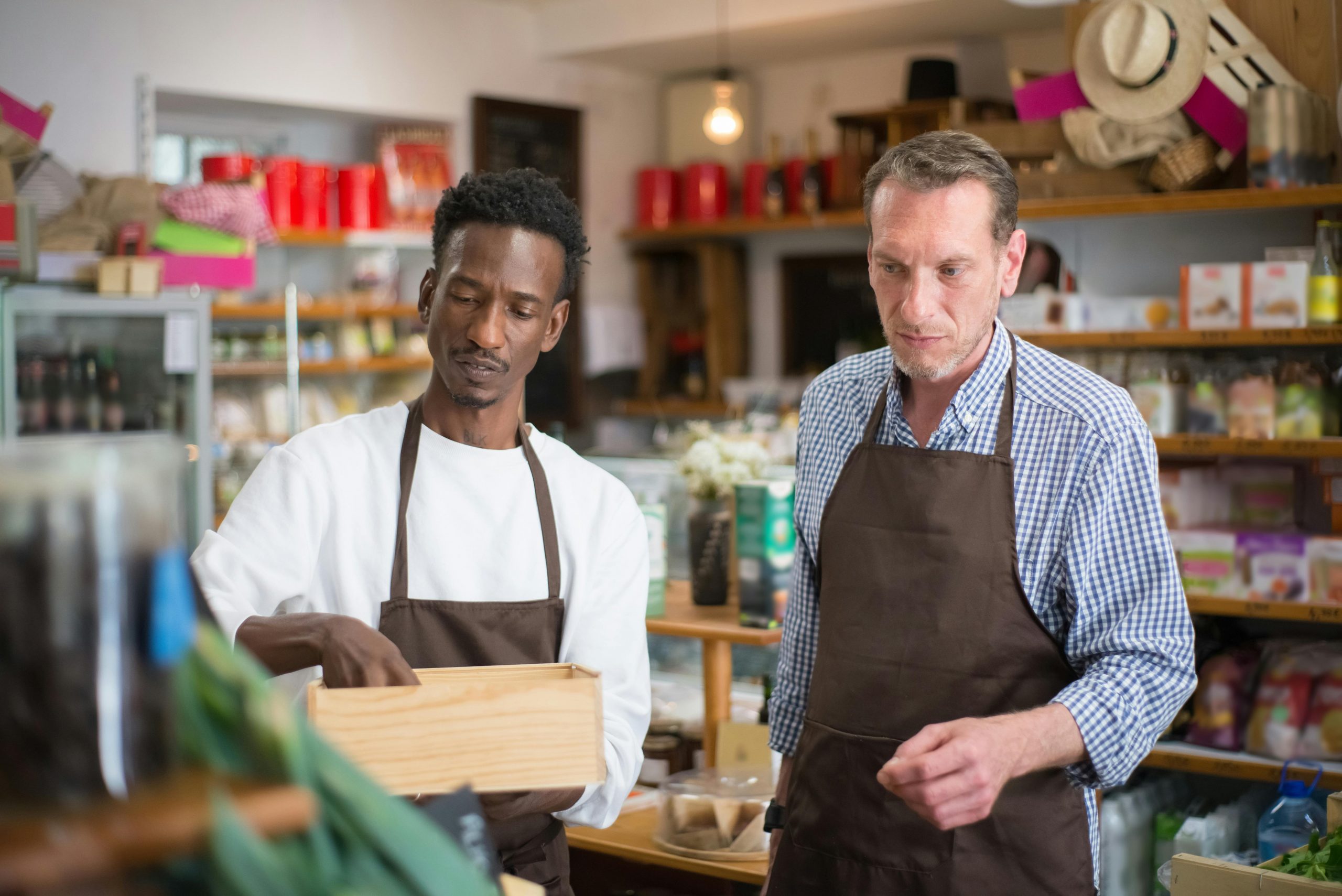
The retail landscape is constantly changing. Staying competitive requires flexibility and innovation:
-
Rotate inventory to reflect trends and seasons
-
Update store layout periodically for fresh appeal
-
Introduce loyalty programs or subscription services
-
Expand online presence or explore new sales channels
-
Solicit customer feedback to improve service and product offerings
By staying attuned to customer preferences and industry trends, your store can continue to thrive long after opening.
How to Handle Common Retail Challenges
Every retail business encounters challenges. Being prepared can prevent small problems from becoming major setbacks:
-
Slow sales periods: Offer promotions or events to draw traffic
-
Staff turnover: Foster a positive work environment and provide incentives
-
Inventory issues: Implement accurate stock tracking and reorder strategies
-
Customer complaints: Train staff in conflict resolution and proactive service
-
Unexpected expenses: Maintain a financial buffer for emergencies
Addressing issues promptly ensures smooth operations and a positive reputation.
How to Build Long-Term Customer Loyalty
Returning customers are the backbone of retail success. Strategies to foster loyalty include:
-
Personalized shopping experiences
-
Reward programs or membership perks
-
Engaging social media content and email newsletters
-
Consistent quality in both products and service
-
Hosting community events or workshops
Loyal customers not only return but often bring new customers through referrals.
How to Manage Finances Effectively
Financial health is critical for sustaining your store. Keep these tips in mind:
-
Maintain a detailed budget for rent, inventory, staffing, and marketing
-
Track all expenses and revenues regularly
-
Plan for taxes and other mandatory contributions
-
Reinvest profits strategically for growth
-
Consider professional accounting or bookkeeping services
Strong financial management helps avoid cash flow issues and supports expansion.
How to Ensure Your Store Remains Compliant
Retail businesses must comply with a variety of regulations, from safety to labor laws. Key areas to monitor:
-
Occupational health and safety standards
-
Labor laws and employee rights
-
Environmental and waste management regulations
-
Fire safety codes and emergency planning
-
Product labeling and consumer protection rules
Regular compliance checks protect your business from fines and legal trouble.
Final Thoughts
Opening a retail store is a multi-step process that requires careful planning, research, and execution. From selecting the right location and understanding your target market to designing your store, hiring staff, and implementing safety measures, every decision shapes your chances of success. By following a structured, step-by-step approach, you can create a thriving retail business that attracts customers, drives sales, and grows sustainably over time.
Starting a retail store may feel overwhelming, but with the right preparation and mindset, your dream storefront can become a profitable reality.
About the Author