

Choosing a career path today can feel overwhelming. With so many industries evolving rapidly, it’s no longer just about picking a job—it’s about building a sustainable, fulfilling future. Many of the most stable and rewarding careers now exist outside traditional four-year degree tracks, offering hands-on work, specialized training, and meaningful impact. At the same time, technology, automation, and shifting economic demands are changing what employers look for, making adaptability and practical skills more valuable than ever before. People are increasingly realizing that success is not tied to a single educational route, but rather to choosing the right combination of training, experience, and long-term growth opportunities.
Another important factor is the rising cost and time commitment of traditional college education. Many individuals are now exploring alternatives that allow them to enter the workforce faster while still earning competitive incomes. These pathways often emphasize real-world application, apprenticeships, certifications, and mentorship-based learning, helping individuals build confidence and competence early in their careers. As industries continue to evolve, employers are also placing greater emphasis on hands-on experience and proven ability rather than academic pedigree alone.
Trades, legal professions, and healthcare fields each provide unique opportunities for individuals with different strengths and interests. Whether you enjoy working with your hands, helping people navigate complex life situations, or making a difference in health and wellness, there’s a path that aligns with your goals. These sectors also tend to offer strong job security, long-term advancement potential, and the ability to specialize in niche areas that match your interests and strengths.
This guide explores diverse career opportunities across these sectors and provides practical steps to help you get started, grow, and succeed. It is designed to help you not only understand your options but also take actionable steps toward building a career that is both financially stable and personally fulfilling.
Understanding Your Strengths Before Choosing a Career

Before committing to a specific path, it’s essential to evaluate your personal strengths, interests, and long-term goals. The right career should align with both your abilities and the type of lifestyle you want to lead.
Start by asking yourself a few key questions:
- Do you prefer hands-on or desk-based work?
- Are you energized by helping people, solving problems, or building things?
- Do you thrive in structured environments or flexible settings?
Understanding your preferences can help narrow your options. For example:
- Hands-on learners may thrive in trades or technical roles
- Analytical thinkers often excel in legal or consulting careers
- Compassionate individuals may find fulfillment in healthcare or service-based roles
Actionable ways to gain clarity include:
- Taking career aptitude tests
- Shadowing professionals in different industries
- Volunteering or interning in areas of interest
- Reflecting on past work or school experiences
It’s also important to consider lifestyle factors such as income expectations, work-life balance, and job stability. Some careers may require long hours upfront but offer flexibility later, while others provide steady schedules from the start.
Starting Strong with Practical Education Options
Education doesn’t always mean committing to four years at a university. Many high-demand careers begin with focused, practical training that gets you into the workforce faster.
associate degree programs are an excellent option for those looking to gain specialized skills without the time and cost of a bachelor’s degree. These programs typically take two years or less and are offered in fields like healthcare, business, and technology. They often include hands-on training and can lead directly to employment or serve as a stepping stone to further education.
Similarly, enrolling in a cosmetology school can open doors to careers in beauty, skincare, and personal care services. These programs emphasize practical skills, allowing students to work with real clients under supervision. Graduates can pursue roles such as hairstylist, esthetician, or salon owner.
When evaluating education options, consider the following:
- Accreditation and reputation of the institution
- Job placement rates for graduates
- Availability of hands-on training opportunities
- Total cost, including supplies and licensing fees
Financial planning is also critical. Look into:
- Scholarships and grants
- Payment plans
- Employer-sponsored training programs
Choosing the right educational path can significantly shorten the time it takes to begin earning while still providing a solid foundation for growth.
Building Hands-On Careers in Skilled Trades

Skilled trades continue to offer some of the most reliable and well-paying career opportunities. As infrastructure ages and new construction grows, the demand for experienced professionals remains strong.
Careers such as masonry contractors involve working with materials like brick, stone, and concrete to build and repair structures. This role requires precision, physical stamina, and an eye for detail. Projects can range from residential patios to large-scale commercial developments.
Similarly, local roofers play a crucial role in protecting homes and buildings. Their work involves installing, repairing, and maintaining roofing systems, often in varying weather conditions. It’s a physically demanding job but offers consistent demand and opportunities for specialization.
To get started in skilled trades:
- Enroll in a trade school or vocational program
- Apply for apprenticeships to gain real-world experience
- Learn safety protocols and industry standards
- Obtain necessary certifications or licenses
Advantages of trade careers include:
- Shorter training periods
- Strong earning potential
- Opportunities to start your own business
For those who enjoy tangible results and active work environments, trades can provide both financial stability and personal satisfaction.
Exploring Careers in Real Estate and Financial Services
The financial and real estate sectors offer dynamic career paths for individuals who enjoy working with clients and navigating complex transactions.
Professionals in mortgage broker services help clients secure financing for homes and other properties. They act as intermediaries between borrowers and lenders, analyzing financial situations and recommending suitable loan options.
Key responsibilities include:
- Evaluating client financial profiles
- Comparing loan products from different lenders
- Guiding clients through the application process
- Ensuring compliance with regulations
To enter this field, you’ll typically need:
- A high school diploma or equivalent
- Licensing, which varies by state
- Strong communication and analytical skills
Tips for success:
- Build relationships with real estate agents and lenders
- Stay updated on market trends and interest rates
- Develop a reputation for transparency and reliability
This career path can be particularly rewarding for those who enjoy helping clients achieve major life milestones, such as homeownership.
Making an Impact Through Environmental and Community-Focused Work
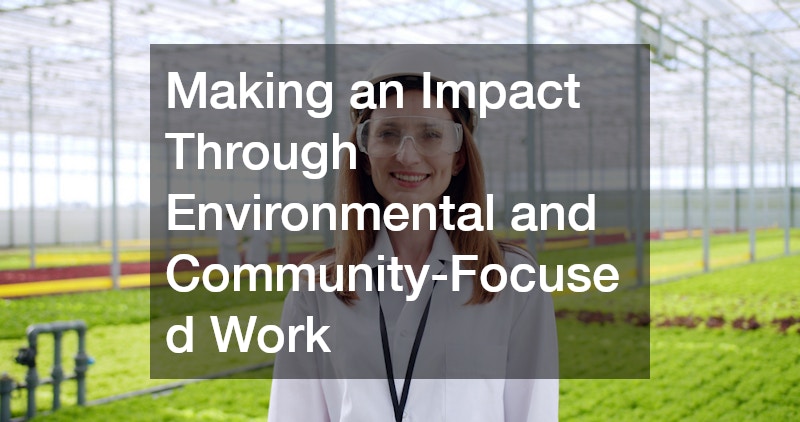
As environmental concerns continue to grow, so does the demand for professionals who can help organizations operate sustainably.
An environmental consultant works with businesses, government agencies, and developers to assess environmental risks and ensure compliance with regulations. This role often involves fieldwork, data analysis, and reporting.
Common tasks include:
- Conducting environmental impact assessments
- Monitoring pollution levels
- Advising on waste management and sustainability practices
- Preparing reports for regulatory agencies
Educational paths typically include degrees in environmental science, biology, or related fields, along with certifications depending on specialization.
To build a career in this area:
- Gain experience through internships or volunteer work
- Develop strong research and analytical skills
- Stay informed about environmental laws and policies
This field offers the opportunity to contribute to meaningful change while working in a variety of industries.
Navigating Legal Careers That Support Families and Communities
Legal careers can be both intellectually challenging and deeply impactful. Professionals who focus on family law play a vital role in helping individuals navigate sensitive situations such as divorce, custody, and adoption.
family attorneys work closely with clients during emotionally charged times, requiring a balance of legal expertise and empathy.
Typical responsibilities include:
- Representing clients in court
- Drafting legal documents
- Negotiating settlements
- Providing legal advice and guidance
Becoming an attorney requires:
- A bachelor’s degree
- Law school completion
- Passing the bar exam
Key skills for success:
- Strong communication and negotiation abilities
- Attention to detail
- Emotional intelligence
To stand out in this field:
- Participate in internships or legal clinics
- Build a network within the legal community
- Stay updated on changes in family law
For those passionate about advocacy and helping others, this career offers both purpose and stability.
Pursuing Animal Care and Veterinary Careers

For individuals who love animals and want to make a difference in their well-being, veterinary careers offer a fulfilling path.
A local veterinarian provides medical care to animals, ranging from routine check-ups to complex surgeries. This role requires extensive education, including a veterinary degree and state licensing.
Responsibilities include:
- Diagnosing and treating illnesses
- Performing surgeries
- Advising pet owners on care and nutrition
- Managing clinic operations
To prepare for this career:
- Volunteer at animal shelters or clinics
- Focus on science courses during education
- Develop strong problem-solving and communication skills
While the path to becoming a veterinarian is demanding, it offers the reward of improving the lives of animals and their owners.
Entering the Growing Field of Aesthetic and Wellness Careers
The demand for aesthetic and wellness services has grown significantly in recent years, creating a wide range of career opportunities.
Working in a medical spa involves providing treatments such as facials, laser procedures, and skincare services. These roles often require specialized training and certification, depending on the procedures performed.
On the medical side, a plastic surgeon performs surgical procedures to enhance or reconstruct physical features. This career requires extensive education, including medical school and specialized residency training.
Career paths in this field may include:
- Estheticians and skincare specialists
- Medical assistants
- Nurses specializing in cosmetic procedures
- Physicians and surgeons
Tips for entering this industry:
- Choose a specialization that matches your interests
- Invest in high-quality training programs
- Stay updated on industry trends and technologies
This field combines science, artistry, and client interaction, making it an appealing choice for many.
How to Gain Experience and Stand Out in Competitive Fields
No matter which career path you choose, gaining experience and building a strong professional profile is essential.
Start by focusing on:
- Internships and apprenticeships
- Entry-level positions that provide hands-on learning
- Volunteer opportunities related to your field
Building a strong resume involves:
- Highlighting relevant skills and accomplishments
- Including certifications and training programs
- Demonstrating measurable results when possible
Networking is equally important:
- Attend industry events and workshops
- Connect with professionals on platforms like LinkedIn
- Seek mentorship from experienced individuals
Additional ways to stand out:
- Continuously update your skills through courses and certifications
- Create a portfolio showcasing your work
- Develop strong communication and interpersonal abilities
Taking proactive steps early in your career can significantly improve your long-term prospects.
Creating a Long-Term Career Growth Plan
A successful career isn’t just about getting your first job—it’s about planning for growth and adapting over time.
Start by setting clear goals:
- Short-term (1–2 years): gaining experience, earning certifications
- Mid-term (3–5 years): advancing to higher roles or specializations
- Long-term (5+ years): leadership positions or business ownership
Consider the following strategies:
- Pursue continuing education to stay competitive
- Seek feedback and performance evaluations
- Be open to pivoting if your interests or industry trends change
Maintaining work-life balance is also crucial:
- Set boundaries to avoid burnout
- Prioritize physical and mental health
- Choose roles that align with your values
A well-thought-out career plan helps you stay focused, motivated, and prepared for new opportunities.
There are countless opportunities available across trades, legal professions, and healthcare fields, each offering unique paths to success. By understanding your strengths, pursuing the right education, and gaining practical experience, you can build a career that is both stable and fulfilling. What makes these industries especially valuable is their long-term resilience and adaptability. Even as economies shift and technologies evolve, skilled professionals in these areas continue to be in demand because they provide essential services that cannot easily be replaced or automated. This creates a strong foundation for job security, career mobility, and opportunities for advancement over time.
In addition, many of these fields offer multiple entry points, meaning you do not have to follow a single rigid path to succeed. Whether you start through vocational training, apprenticeships, certifications, or formal education, there are often ways to grow into higher-level roles through experience and continued learning. This flexibility allows individuals to adjust their career trajectory as their interests and circumstances change, making it easier to pivot or specialize as needed.
The key is to stay curious, remain adaptable, and take intentional steps toward your goals. Building a successful career is rarely about one big decision—it is about consistent progress, learning from experience, and being open to new opportunities as they arise. Networking, mentorship, and ongoing skill development all play an important role in helping you stay competitive and confident in your field.
With the right approach, you can create a professional journey that not only meets your financial needs but also provides long-term satisfaction and growth. Ultimately, a fulfilling career is one that evolves with you, supports your personal values, and allows you to contribute meaningfully to your community and industry over time.
About the Author