The hospitality industry is a complex machine with many moving parts. Whether it is a boutique hotel, a bustling restaurant, or a sprawling resort, the goal remains the same: providing a seamless experience where guests feel both pampered and protected. Achieving this balance requires more than just good customer service; it demands a rigorous operational strategy. From the moment a guest pulls into the parking lot to the second they check out, every physical detail plays a role in their overall perception of the brand.
Operational excellence in this sector is often invisible when done correctly. Guests do not usually notice the temperature of the air unless it is too hot, nor do they think about the security of their room locks unless a key fails. However, for a manager, these details are the backbone of a successful business. A well-run facility ensures that staff can focus on hospitality rather than putting out literal and figurative fires. This playbook examines the essential components that keep a hospitality business running smoothly, focusing on aesthetics, infrastructure, and safety.
Establishing a Clear Visual Identity
First impressions are almost entirely visual. Before a guest even speaks to a receptionist or a host, they have already formed an opinion based on the exterior of the property. Clear communication starts at the perimeter. If a guest cannot find the entrance or feels that the building looks neglected, their stress levels rise before they even walk through the door. Effective signage is the first step in building trust.
A high-quality business sign serves as a beacon for weary travelers. It needs to be visible from the road, well-lit at night, and reflective of the brand’s personality. If the signage is peeling, faded, or dim, it suggests that the interior of the business might be similarly neglected. Beyond just the name of the establishment, exterior indicators help with traffic flow and parking instructions. This clarity reduces the cognitive load on the guest, making their arrival feel effortless and welcoming.
Maintaining the Aesthetic Standards of the Property
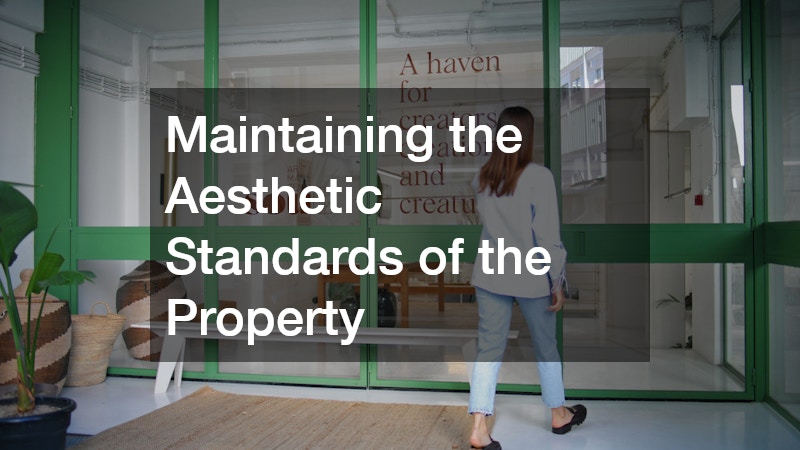
Once the guest is inside, the environment must live up to the promise made by the exterior branding. Wear and tear are inevitable in high-traffic environments. Suitcases scuff walls, chairs scrape against baseboards, and constant cleaning can dull the finish of common areas. To keep a property looking fresh, a regular maintenance schedule for the walls and trim is necessary. This is where professional partnerships become invaluable for a facility manager.
Engaging with reputable painting companies ensures that the property maintains a high-end feel year-round. It is not just about a one-time renovation; it is about having a team that understands the specific needs of a commercial space. High-durability finishes and low-VOC paints are essential in hospitality to ensure that guest rooms can be occupied shortly after a refresh without lingering odors. A fresh coat of paint can change the entire mood of a lobby, shifting it from a dated space to a modern sanctuary with very little structural effort.
Enhancing Guest Comfort and Privacy through Innovation
Light and movement are two factors that significantly influence how a person feels in a room. In many hospitality settings, large glass windows are a major architectural feature. While they provide great views and natural light, they can also create issues with heat gain and a lack of privacy. This is particularly true for ground-floor suites or restaurants located on busy city streets.
Installing a professional business window tint can solve multiple problems at once. It helps regulate the internal temperature by blocking a significant portion of solar heat, which in turn reduces the strain on the cooling system. From a guest perspective, it provides a sense of seclusion. They can look out at the world without feeling like they are on display to passersby. This small upgrade contributes to a more intimate and controlled environment, which is a hallmark of luxury service.
Navigating the Space with Precision
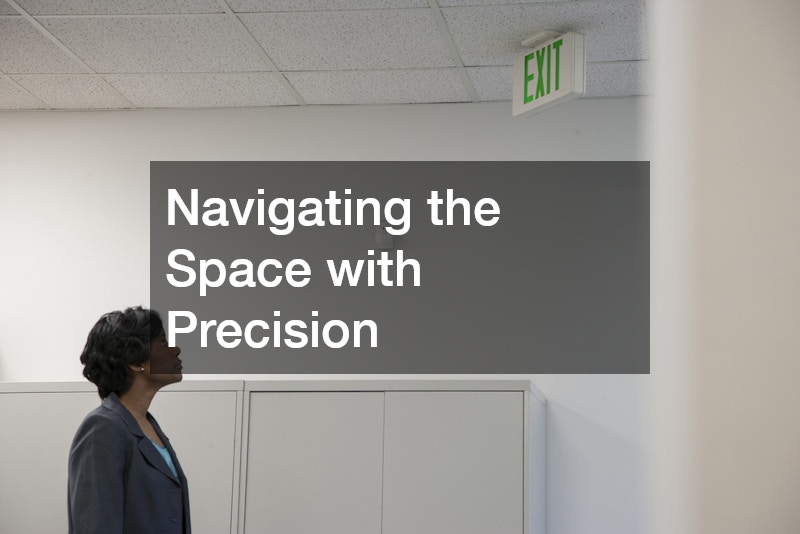
Wayfinding is a subtle art. In a large hotel or a complex convention center, guests often feel lost. While traditional wall signs are helpful, they are sometimes missed when a person is looking down at their phone or at the floor while walking. This is why many modern facilities are utilizing the floor itself as a communication tool. It is an efficient way to direct foot traffic without cluttering the walls with too much information.
Strategically placed floor graphics can lead guests toward elevators, restrooms, or breakfast nooks. These are especially useful in multi-purpose spaces where the flow of people changes depending on the event. Because these materials are designed for heavy foot traffic, they stay looking sharp even in the busiest corridors. By providing clear, intuitive directions on the ground, a business reduces the number of times a guest has to stop a busy staff member to ask for directions, which improves the efficiency of the entire operation.
Reliability in Food and Beverage Services
The kitchen and bar areas are the engines of the hospitality world. Here, the standards for cleanliness and reliability are even higher because they directly impact health and safety. One of the most overlooked yet vital pieces of equipment in any dining or lodging environment is the ice supply. Whether it is for a chilled cocktail at the bar or a guest filling a bucket for their room, the quality and consistency of the ice are paramount.
Investing in a high-grade commercial ice machine is a necessity, not a luxury. These units are designed to run constantly, producing clear, tasteless ice that meets strict sanitary requirements. A breakdown in this area can cause a ripple effect throughout the service, leading to lukewarm drinks and frustrated customers. Regular descaling and filter changes ensure that the machine remains efficient and that the ice remains free of contaminants. It is a behind-the-scenes detail that, when handled correctly, ensures the guest experience remains top-tier.
Mastering Climate Control for All Seasons
There is perhaps nothing that ruins a guest’s stay faster than a room that is too hot or too cold. In a commercial setting, managing the air quality and temperature is a massive undertaking. Unlike a residential home, a hotel or restaurant has constant door openings, varied occupancy levels, and kitchen heat to contend with. The system must be robust enough to handle these fluctuations while remaining quiet enough not to disturb a sleeping guest.
The installation and upkeep of a commercial HVAC system require a specialized touch. It is about more than just blowing cold air; it involves humidity control and proper ventilation to prevent the buildup of allergens or odors. When the air is crisp and the temperature is stable, guests feel a sense of relief the moment they step inside. For the business owner, a well-maintained system is also a cost-saver. An efficient unit uses less energy and is less likely to suffer a catastrophic failure during a mid-summer heatwave, which would otherwise result in lost revenue and refunded stays.
Securing the Premises with Professional Access Control
Safety is the foundation upon which all hospitality is built. A guest cannot truly relax unless they feel that they and their belongings are secure. In the past, this meant a simple metal key, but modern standards have evolved. Today, security involves a mix of physical barriers and digital access logs. The management of these entry points is a full-time concern that requires expert oversight.
Reliable commercial locksmiths play a central role in this security web. They provide the hardware and the expertise needed to manage master key systems and high-security locks. Beyond just the guest rooms, they secure staff-only areas, storage rooms containing expensive inventory, and perimeter doors. If a lock malfunctions or a security breach is suspected, having a professional who can respond immediately to rekey or repair the system is vital. This level of preparedness ensures that the property remains a fortress for the guests while remaining accessible for the employees.
Prioritizing Fire Safety and Emergency Response
While no manager likes to think about emergencies, being prepared for them is a legal and ethical obligation. In a building where hundreds of people may be sleeping or dining, the risk of fire is a serious concern. Kitchens, laundries, and electrical rooms are all potential flashpoints. Having a plan is good, but having an automated system that can intervene before a fire spreads is better.
A modern fire suppression system is designed to detect heat or smoke and react in seconds. In a commercial kitchen, this might involve a wet chemical system that smothers a grease fire without ruining the entire kitchen. In other parts of the building, sophisticated sprinklers or gas-based systems protect sensitive electronics and guest corridors. Regular inspections and certifications of these systems are not just about following the law; they are about protecting the lives of every person on the property. When guests see the physical signs of these safety measures, it reinforces their sense of being in a well-managed and safe environment.
Protecting the Business Assets and Future

Even with the best equipment and the most trained staff, accidents can happen. A guest might slip in the lobby, or a natural disaster could cause property damage. Part of the hospitality playbook involves financial safety nets that allow the business to recover from the unexpected. This level of planning is what separates a temporary venture from a long-standing institution.
Working closely with a business insurance agency is the best way to navigate these risks. An agent who understands the specific nuances of the hospitality industry can help tailor a policy that covers everything from general liability to business interruption. This ensures that if something does go wrong, the financial burden does not force the doors to close permanently. It provides the owners with peace of mind, knowing that they have a partner to help them manage the complexities of modern liability and property protection.
Communicating the Brand Through Physical Media
In a digital age, there is still a significant need for physical materials in the hospitality world. Menus, guest directories, door hangers, and event brochures are all touchpoints where a guest interacts with the brand. The quality of the paper, the clarity of the print, and the design of these items all speak to the professionalism of the establishment. If a menu is stained or a brochure is poorly printed, it reflects poorly on the kitchen or the concierge.
Utilizing professional business printing services allows a company to maintain a consistent look across all its collateral. Whether it is a luxury foil-stamped card for a VIP guest or a simple “do not disturb” sign, the quality should be uniform. These physical items often serve as mementos for guests, such as a well-designed postcard or a local area map. By investing in high-quality print, a business ensures that its message is delivered with a sense of tact and elegance that digital screens simply cannot replicate.
Harmonizing Operations for Long-Term Success
The hospitality industry is ultimately about the harmony of these various elements. When the physical space is beautiful, the equipment is reliable, and the safety protocols are invisible but effective, the guest experience flourishes. It is a holistic approach where the marketing efforts are supported by the reality of the facility. A guest who visits a property that is clean, cool, and secure is a guest who is likely to return and leave a positive review.
The true secret to keeping guests safe and comfortable lies in the details. It is the silent work of the mechanics, the precision of the installers, and the vigilance of the managers. By viewing every service provider as a partner in the guest experience, a hospitality business can build a reputation for excellence. From the shine of the floors to the chill of the ice, every element contributes to a story of care and professionalism.
Staying ahead in this competitive field means never settling for “good enough.” It requires a commitment to constant improvement and a willingness to invest in the infrastructure that supports the staff. When the backend operations are handled with the same level of hospitality as the front desk, the result is a resilient and thriving business. This playbook serves as a reminder that the best hospitality is built on a foundation of operational integrity and a deep respect for the guest’s well-being. By following these steps, any property can elevate its service from standard to extraordinary, ensuring that every visitor leaves with a memory of a stay that was both perfectly comfortable and entirely safe.
About the Author