When it comes to commercial buildings, the roof is a critical component that ensures the structure remains secure and intact. Choosing the right roofing system is essential for functionality, durability, and building aesthetics. This article explores the most common types of commercial roofs and what you should know about them.
Flat Roofs
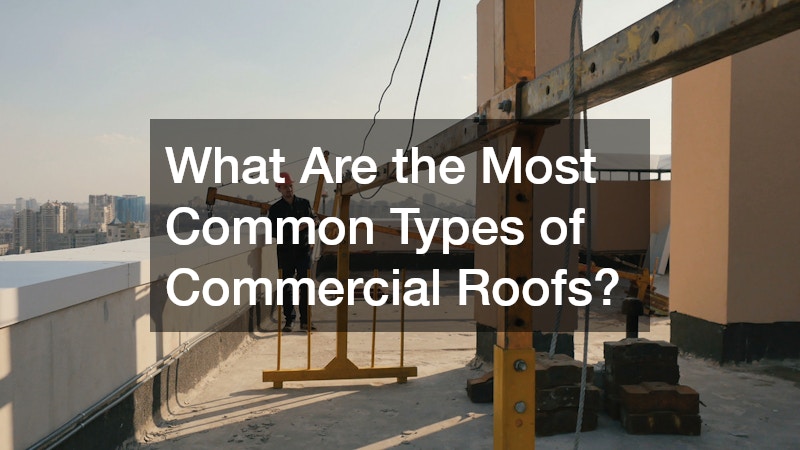
Flat roofs are among the most common types of commercial roofing systems. They are popular in commercial applications due to their cost-effectiveness and ease of installation.
With a flat roof, commercial roofing contractors can utilize the roof space for air conditioning units, solar panels, or even a rooftop garden. Despite their name, flat roofs are slightly sloped to allow water to drain off efficiently. The construction of flat roofs often involves materials like built-up roofing (BUR), modified bitumen, or single-ply membranes.
One of the main advantages of flat roofs is that they provide an easily accessible surface for maintenance. Commercial roofing contractors appreciate the straightforward design that makes repairs and installations manageable. Flat roofs are cost-effective, making them a practical choice for many businesses looking to save on construction and maintenance. However, they do require vigilant maintenance to prevent pooling water, which can lead to leaks or structural damage. Water management and proper drainage systems are crucial to extend the lifespan of a flat roof.
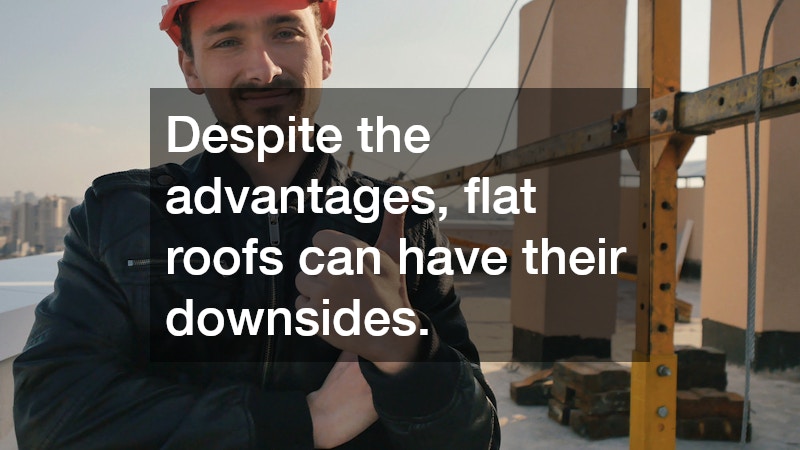
Despite the advantages, flat roofs can have their downsides. Because they have a minimal slope, they are more susceptible to water retention, especially if the drainage system fails. To mitigate this, commercial roofing contractors recommend regular inspections and maintenance to address potential issues promptly. An additional consideration is insulation, as flat roofs may be less energy efficient compared to sloped varieties. Proper insulation materials and techniques are necessary to ensure energy efficiency and temperature regulation within the building.
Metal Roofs
Metal roofs are another popular choice for commercial buildings due to their durability and longevity. Typically crafted from aluminum, steel, and sometimes copper alloys, these roofs withstand harsh weather conditions and are less susceptible to damage compared to other materials. The longevity of metal roofs means that businesses can save on replacement costs over time. Various designs and colors available in metal roofing allow commercial enterprises to choose options that best fit their architectural aesthetic. Furthermore, metal roofs are recyclable, making them an eco-friendly choice for sustainability-conscious businesses.
Commercial roofing contractors often recommend metal roofs for their resistance to fire, wind, and impact damage. The reflective properties of metal also contribute to energy savings by keeping buildings cooler during the summer months. This energy efficiency has made metal roofs an attractive choice for companies looking to reduce their carbon footprint and energy bills. However, the initial installation cost of metal roofing can be higher compared to other materials, which might be a consideration for some businesses. Despite this, the long-term savings in energy and maintenance often outweigh the initial expenditure.
To ensure optimal performance, metal roofs need proper installation and maintenance. Commercial roofing contractors emphasize the importance of sealing seams and ensuring attachments and fasteners are secure to prevent leaks. Regular inspections are recommended to deal with issues such as rust and sealant deterioration promptly. If well-maintained, a metal roof can last for several decades, often exceeding 50 years. Commercial properties in areas prone to extreme weather can particularly benefit from the robust protection that metal roofing systems provide.
EPDM Roofs
Ethylene Propylene Diene Monomer (EPDM) roofs are well-regarded for their resilience and adaptability. This synthetic rubber roofing membrane is primarily used on low-slope buildings and provides excellent durability and weather resistance. With proper installation by knowledgeable commercial roofing contractors, an EPDM roof can last up to 30 years or more. Its flexibility allows it to adjust to a wide variety of temperatures and environmental conditions without cracking or becoming brittle. The black and sometimes white EPDM membranes offer choices for businesses looking to optimize energy efficiency based on their geographical location.
One of the standout features of EPDM roofs is their low environmental impact. The membrane is recyclable at the end of its life cycle, aligning with sustainable practices many businesses strive for today. Additionally, EPDM roofs are noted for their fast and easy installation process, which reduces labor costs and minimizes installation time. They also offer excellent resistance to ultraviolet (UV) rays, ozone, and extreme temperature fluctuations. Given their robustness, commercial roofing contractors recommend EPDM roofs for properties that undergo significant thermal movement.
However, like all roofing systems, EPDM does have areas that require attention. While they are durable, punctures and cuts can occur more easily than with more rigid materials, posing a potential issue if not quickly repaired. Regular maintenance and prompt addressing of minor issues can significantly increase the lifespan of an EPDM roof. Commercial roofing contractors sometimes suggest additional protective layers of acrylic and other coatings to enhance durability. These coatings can help to improve waterproofing and reflectivity, especially in climates with intense sun exposure.
In conclusion, each type of commercial roof has its unique set of benefits and challenges. Business owners considering new or replacement roofing systems should weigh factors such as cost, climate, roof exposure, and maintenance demands. Consulting with reputable commercial roofing contractors can provide valuable insight into the best choices tailored to specific commercial needs. Whether opting for a flat roof, a robust metal roof, or a versatile EPDM roof, investing in the right system will inevitably pay dividends in longevity and efficiency. Ultimately, an informed decision coupled with quality craftsmanship will ensure that the roof not only lasts but also enhances the building’s overall performance.
About the Author