Relocating a corporate headquarters, regional office, or distribution center is one of the most complex operational milestones an enterprise can undertake. When a company expands, downsizes, or repositions its physical presence, executive leadership must manage strict schedules, complex budgets, structural requirements, and risk mitigation strategies. While the prospect of stepping into a modern facility brings renewed energy to an enterprise, the physical and administrative logistics can quickly overwhelm internal teams without a clear strategy. Success requires moving far beyond basic packing lists and developing a comprehensive blueprint that guides the organization from initial contract signatures all the way to the first official day of business operations.
Every successful commercial transition relies heavily on early preparation and clear communication across all business departments. Organizations frequently underestimate the lead times required for securing municipal permits, arranging utility service hookups, scheduling specialized trade contractors, and completing thorough legal reviews. When important milestones slip, lease overlaps create double rent costs, operational downtime drags on for weeks, and employees experience unnecessary stress. By treating the facility transition as an integrated enterprise project rather than a series of isolated tasks, companies protect their operational budgets, preserve customer relationships, and keep key business functions running without interruption.
The true relocation journey begins long before the first moving truck arrives at the loading dock. It begins the moment real estate negotiations conclude and lease terms receive formal sign-off. Aligning legal advisors, insurance specialists, structural inspectors, and facility management teams during the initial planning phase ensures that every operational requirement is addressed well before staff members pack up their desks. A structured, proactive approach gives leadership the vision needed to anticipate obstacles, control unexpected costs, and execute a physical move that maintains organizational momentum from start to finish. Developing a clear timeline helps facility managers allocate resources effectively, prevent unexpected spending spikes, and coordinate vendor schedules well in advance.
Phase 1: Lease Finalization and Contractual Clarity
Once executive leadership selects a new location, the immediate priority becomes finalizing the lease or property purchase agreement with complete clarity regarding tenant obligations. Commercial real estate contracts contain detailed legal language surrounding build-out allowances, restoration requirements, structural maintenance duties, sub-leasing privileges, and early access rights. Failing to thoroughly evaluate these terms prior to execution often results in costly misunderstandings, budget overruns, and delayed occupancy dates that disrupt core business activities.
Before signing any formal documents or committing company capital to site modifications, executives should retain an experienced business lawyer to review all contractual terms, tenant improvement allowances, and municipal zoning covenants. Expert legal counsel ensures that the organization retains adequate operational flexibility during construction, secures formal authorization for necessary exterior modifications, and avoids hidden fees associated with early utility access or structural alterations.
With contract terms clarified and legally finalized, project managers can establish a realistic timeline for contractor access and site preparation. Early access clauses allow specialized vendors to evaluate electrical panels, inspect HVAC components, and complete initial measurement work before the official lease term begins. Having explicit legal permissions in place protects the organization against liability claims while keeping construction and renovation schedules strictly on target for opening day. Clear contractual terms prevent costly misunderstandings between landlords and tenants while establishing transparent benchmarks for building maintenance and operational expectations.
Phase 2: Managing Liability and Comprehensive Risk Coverage
Moving from one commercial site to another creates an overlapping period of property exposure that requires careful insurance oversight. An organization maintains full financial responsibility for its existing facility until the keys are returned and the lease surrender agreement is signed. At the exact same time, the company assumes significant risk at the new location as soon as access rights are granted or renovation work begins. Managing these double exposure risks is vital during a transition period to avoid costly insurance gaps.
To safeguard valuable corporate assets during the move, management must meet with their account representative to update policy limits, adjust building valuations, and add specific transit endorsements for physical assets on the move. Securing proper commercial insurance ensures that machinery, office technology, physical structures, and operational inventory remain protected against accidental damage, weather events, or transit losses throughout every step of the move.
Comprehensive risk management also requires verifying the credentials of every contractor stepping onto the property. Leadership must confirm that all third-party vendors carry valid general liability policies and worker compensation coverage before starting work. If a contractor damages a structural wall, ruptures plumbing, or suffers an injury during site setup, verified risk coverage protects the business from costly financial disputes, operational delays, and unexpected legal claims.
Phase 3: Evaluating Building Shell and Roof Conditions
Before interior design work begins or expensive office furniture arrives, the physical building envelope requires a complete top-to-bottom inspection. A building interior may appear updated and ready for occupancy, but hidden structural defects, aging insulation, or compromised exterior barriers can quickly cause expensive damage to sensitive electronics, high-end furniture, and core operational systems. Identifying structural vulnerabilities early prevents emergency repairs during peak business operations.
Prior to setting up sensitive computer servers or building out new interior offices, property managers should bring in a licensed commercial roofer to inspect the roof membrane, drainage paths, flashing details, and structural supports. Fixing minor surface deterioration, clearing blocked drainage paths, or replacing worn seals prior to tenant move-in prevents sudden water leaks during bad weather, saving thousands of dollars in property damage and avoiding frustrating operational disruptions.
Building envelope evaluations should also extend to structural walls, window framing, loading dock sealants, and foundation points. Identifying air gaps or moisture entry points early allows building maintenance crews to complete needed repairs before heating and cooling systems are brought online. Maintaining a secure, watertight building envelope creates a comfortable workplace for staff while safeguarding the organization’s long-term real estate investments.
Phase 4: Perimeter Security and Access Control Fencing
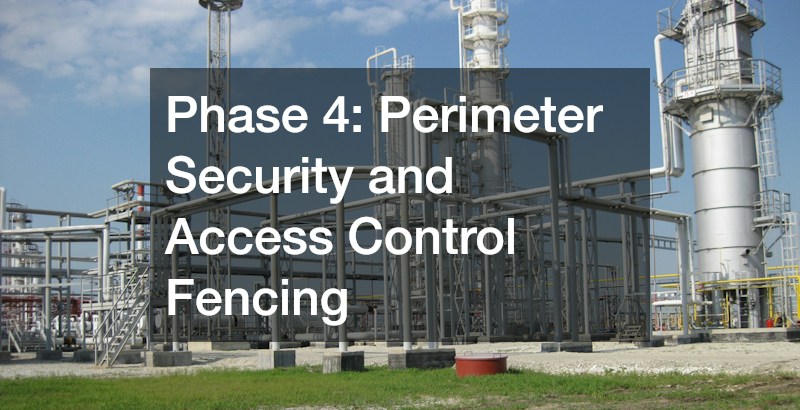
Physical security for a commercial site starts right at the boundary lines of the property. For standalone office buildings, industrial parks, and distribution facilities, securing the property perimeter is fundamental to keeping valuable inventory, company fleet vehicles, and personnel safe from unauthorized access. Establishing visual and physical boundaries deters trespassers, reduces theft risks, and lowers overall premises liability risks for the enterprise.
To establish strong perimeter boundaries and manage incoming traffic across the site, organizations should install durable commercial fences around parking structures, exterior equipment yards, and rear loading zones. Solid perimeter fencing, paired with gated entry barriers and prominent warning signage, discourages trespassing, protects corporate vehicles parked overnight, and creates structured entry routes for shipping carriers and visiting clients.
Perimeter planning must also account for municipal setback restrictions, fire lane clear zones, and emergency service access points. Working alongside site engineers ensures that exterior barriers conform to local zoning ordinances while permitting emergency responders quick access to all areas of the property. Thoughtful exterior perimeter planning creates an outer defense layer that supports internal security protocols across the entire site.
Phase 5: Interior Lighting and Solar Control Systems
Creating a comfortable, functional interior atmosphere is directly tied to employee productivity and daily energy efficiency. Uncontrolled sunlight, severe window glare, and fluctuating interior temperatures lead to uncomfortable work areas, eye strain, and elevated monthly utility bills. Modern commercial interiors require flexible window treatments that control daylight effectively while maintaining professional design aesthetics across executive suites and general workspaces.
To control glare on computer monitors, manage indoor heat absorption, and maintain office privacy, facility leaders should work with a professional commercial window treatment service to install durable solar shades, automated blinds, or privacy window coatings. Custom-fit window treatments help regulate indoor temperatures, cutting air conditioning costs during hot summer months while giving staff simple controls to adjust natural light throughout the workday.
High-quality window coverings also provide added physical privacy for executive offices, financial departments, and sensitive conference rooms visible from outside street levels. Combining functional solar control with attractive interior design builds a practical workspace that supports employee well-wellbeing, lowers energy expenses, and enhances overall property presentation from the start.
Phase 6: Smart Infrastructure and Building Automation
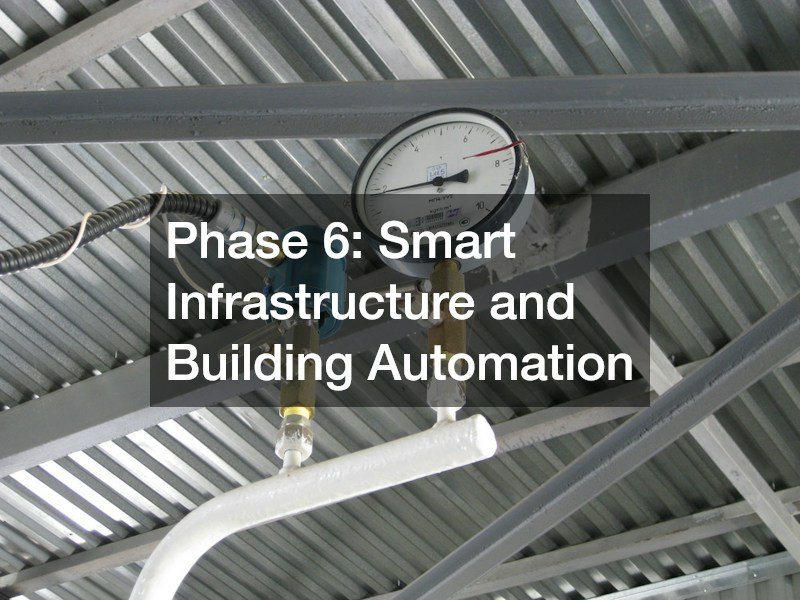
Modern commercial facilities rely heavily on integrated digital systems to regulate climate controls, lighting schedules, and air quality efficiently. Manually adjusting individual thermostats and wall switches across a large office or industrial layout is inefficient and leads to wasted energy. Centralized digital controls modernize facility management by bringing every environmental system together under one unified interface.
Installing an advanced building automation system gives facility managers full control over heating, cooling, ventilation schedules, and interior lighting from a centralized dashboard. Automated building management lowers ongoing energy costs, keeps interior temperatures consistent, and notifies facilities staff immediately if mechanical equipment experiences a malfunction or sudden performance drop.
Smart infrastructure also generates actionable operational data over time. Facility managers can analyze energy usage patterns during peak and off-peak hours, adjust environmental settings based on actual building occupancy, and schedule preventive maintenance for HVAC components based on real system runtime. This data-backed approach reduces utility bills, improves indoor air quality, and extends the operational lifespan of major mechanical equipment.
Phase 7: Comprehensive Video Surveillance and Local Security
Safeguarding intellectual property, physical equipment, and workplace safety requires a comprehensive security plan. Commercial facilities need continuous visual oversight and immediate emergency response capabilities to manage security threats, property vandalism, or unauthorized access attempts effectively across all operational shifts. Establishing clear surveillance protocols provides peace of mind for both management and employees.
To maintain visual awareness across key locations, facility management should position high-resolution security cameras near main entrances, parking area access points, loading bays, and server room doorways. Networked cameras deliver crisp video footage, continuous recording capabilities, and remote viewing access, allowing business owners and security officers to monitor facility activity around the clock from any secure device.
For complete facility protection and quick emergency response, companies should team up with an established local security system company to install integrated alarm hardware, central monitoring connections, and keycard access controllers. Partnering with a dedicated local security provider guarantees fast emergency dispatches, routine maintenance support, and custom system configurations designed specifically for the facility layout and regional security requirements.
Phase 8: Life Safety System Compliance and Testing

Life safety compliance is an absolute requirement when preparing a new commercial facility for regular business operations. Municipal building codes require every commercial facility to feature fully operational, certified life safety equipment before issuing a certificate of occupancy. Meeting these safety standards protects staff members and prevents costly operational delays caused by failed code inspections.
Prior to welcoming employees or clients into the new location, facility managers must schedule a complete system audit and compliance test with an experienced fire alarm service provider. Certified safety technicians test control panels, smoke detectors, manual pull stations, horn strobes, and emergency communication linkages to ensure every component functions properly and meets municipal safety codes.
Life safety preparations also include establishing clear evacuation maps, installing illuminated exit signage, placing certified fire extinguishers in accessible locations, and testing backup lighting power units. Regular safety checks and organized emergency training ensure the business complies with municipal health codes while maintaining a safe environment for everyone on site.
Phase 9: Logistics, Physical Moving, and Day-One Launch
With lease terms finalized, structural components verified, security systems online, and life safety certifications secured, attention turns to physical moving logistics. Relocating office furniture, computer networks, specialized machinery, and confidential physical files requires careful coordination to prevent operational downtime and protect business property.
To manage packing, asset transport, and furniture setup efficiently, management should partner with professional commercial moving services that specialize in corporate relocations. Dedicated commercial movers bring specialized lifting equipment, protective packing materials, and structured labeling systems, allowing company staff to stay focused on their core daily responsibilities throughout the transition process.
On day one at the new facility, leadership should greet employees with an organized orientation, clear directional signage, fully functional workstations, and pre-programmed access credentials. Setting up a dedicated internal support team during the first week ensures that minor technology or facility issues are addressed immediately. Following a structured relocation playbook transforms what could be a stressful transition into an organized success that sets the company up for long-term growth. With detailed planning and dedicated operational execution, organizations transition smoothly into their new physical space without losing operational momentum or compromising customer service quality.
About the Author