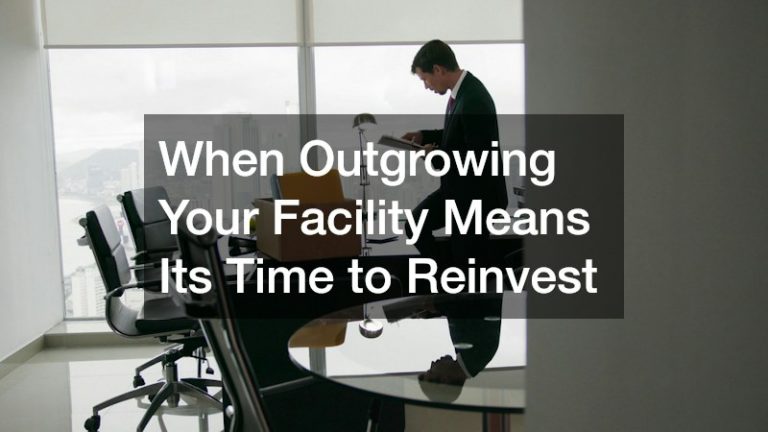
Every growing business eventually hits a wall, literally. Maybe the parking lot is full by 9 a.m., the storage room has become a maze of overflow inventory, or your team is tripping over each other in a space that once felt spacious. Recognizing the signs of an outgrown facility early can save you from costly emergencies and lost customers down the road. This article walks through the practical signs, systems, and decisions involved in figuring out when it is time to reinvest in your space rather than patch it together for another year.

Recognizing the Physical Signs of a Space That No Longer Fits
Growth often shows up in small, everyday frustrations before it becomes an obvious crisis. Employees working around stacked boxes, customers waiting outside because the lobby cannot hold them, or delivery trucks blocking each other in a cramped loading zone are all clues that your facility has stopped keeping pace with your business. These issues tend to compound quietly, and by the time they become undeniable, they are already affecting productivity and customer experience. Some of the most telling signs are the ones that seem minor on any given day.
Inventory spilling into hallways, break rooms doubling as storage, or conference rooms permanently repurposed for extra desks all point to the same underlying problem: there simply is not enough usable space. If employees are regularly rearranging furniture or improvising workarounds just to get through a normal shift, that is a strong signal the layout no longer matches the workflow. Traffic patterns are another useful indicator. Watch how people, product, and vehicles move through the space during peak hours. Bottlenecks at loading docks, congestion near shared equipment, or long walks between departments that used to sit close together all add up to lost time, and that lost time has a real cost even if no one has calculated it yet.
Customer-facing symptoms deserve equal attention, since they are often the first thing outsiders notice even when internal staff have grown used to them. Overflow seating, parking lots that fill up before the lunch rush even starts, or a lobby that cannot comfortably hold a normal volume of visitors all chip away at the impression your business makes. When these moments become routine rather than occasional, they stop being minor inconveniences and start functioning as a ceiling on how much the business can serve.
It helps to track these frustrations over a few months rather than reacting to a single bad day. A one-time crunch during a busy season doesn’t mean the facility has failed you; a recurring bottleneck every single week is a different story entirely. Start a simple log. Note when employees mention feeling cramped, when deliveries get delayed because trucks can’t access the dock, or when clients comment on tight waiting areas. Even a basic spreadsheet with dates and descriptions will reveal trends that memory alone tends to smooth over.
Look for frequency and severity together. If the same three complaints resurface month after month — not enough storage, not enough parking, not enough conference room availability — that’s a pattern worth costing out, not dismissing as growing pains. Patterns matter more than isolated incidents when deciding whether a renovation, expansion, or relocation makes sense. A quarter of consistent data gives you something concrete to bring to ownership or a lender, rather than a gut feeling that the building “feels small.”
- Storage areas, closets, or hallways converted into makeshift workspaces for new hires
- Frequent scheduling conflicts over shared meeting rooms, break areas, or specialized equipment
- Customers or visitors commenting on crowded, noisy, or outdated conditions
- Staff turnover or complaints linked to uncomfortable, cramped, or unsafe working conditions
- Inventory, files, or equipment stored offsite due to lack of room, adding time and cost to daily operations
- Parking lots or loading docks regularly overflowing, creating bottlenecks for deliveries or employees
- Break rooms or restrooms inadequate for current headcount, leading to long waits or reduced comfort
- Safety or code violations arising from overcrowded layouts or improvised storage solutions
Evaluating Your Building Exterior and Curb Appeal
The outside of your building is doing marketing work whether you intend it to or not. A faded, hard to read sign or a building exterior that looks tired can quietly undercut the professionalism your team works hard to project. As part of any reinvestment conversation, it is worth stepping back and looking at your property the way a first time visitor would.
Updating business signs is often one of the most cost effective ways to signal growth and renewed investment to your community. New signage paired with fresh paint, updated landscaping, and clear wayfinding can make an older building feel current again, even before larger renovations happen. This is frequently the first visible sign to customers that a company is reinvesting in itself.
- Illuminated signage for better visibility at night
- Updated logos and branding on exterior signs
- Directional signage for larger or multi-building properties
- ADA compliant signage where required by local code

Assessing Your Roof Before It Becomes an Emergency
Roofing problems rarely stay small. A minor leak ignored for months can turn into damaged inventory, mold issues, or a full structural repair, so it deserves regular attention especially as a building ages or expands. If your facility has grown to include additional square footage or rooftop equipment, the load and drainage needs of your roof may have changed too, even if nobody has thought to reassess it.
Scheduling routine commercial roofing repairs before problems escalate is far less disruptive than dealing with a collapse or major leak during business hours. Many companies wait until a visible problem appears, but proactive inspections often catch issues while they are still inexpensive to fix. This is especially important for older buildings that were not designed to support newer HVAC units, solar panels, or expanded rooftop storage.
- Ponding water after storms
- Cracked or blistered roofing membrane
- Rusted flashing around vents and skylights
- Interior ceiling stains suggesting slow leaks
- Higher than expected energy bills tied to poor insulation
Choosing the Right Professionals for a Roof Replacement
When a facility has genuinely outgrown its current roofing system, whether due to age, storm damage, or structural changes, a full replacement may be more sensible than ongoing patchwork. This is a significant investment, so choosing the right team matters as much as the materials used. Not every roofing company has experience with large scale commercial properties, and the differences in workmanship become obvious over time.
Reputable commercial roofing contractors will walk you through material options, expected lifespan, and how the new system will handle drainage for your specific building layout. It is worth asking for references from other businesses of similar size and getting a written timeline before work begins. A rushed decision here can lead to years of recurring problems, so taking the time to vet contractors thoroughly pays off.
- Ask about warranty coverage on both materials and labor
- Request examples of similar commercial projects completed nearby
- Confirm they carry proper licensing and insurance
- Get a detailed written estimate before signing anything
- Clarify how they handle unexpected structural issues found mid project
Comparing Roofing Material Options for Growing Facilities
Not all roofing systems are built the same, and the right choice depends on your climate, building use, and budget. Today’s market includes a wide range of materials, each with different maintenance needs and expected lifespans. Understanding these options before meeting with a commercial roofing contractor helps you ask better questions and avoid overpaying for something that does not suit your building.
- Single ply membrane systems like TPO or EPDM for flat roofs
- Modified bitumen for buildings needing extra durability
- Metal roofing for long term durability and lower maintenance
- Built up roofing for added insulation in colder climates
- Green roofing systems for businesses prioritizing sustainability
Maintaining Reliable Heating and Cooling as You Expand
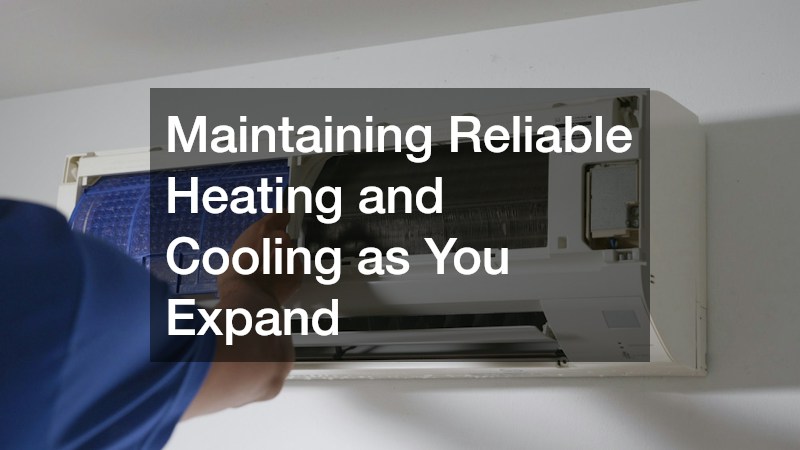
As square footage grows, HVAC systems that once handled the building comfortably can start to struggle, leading to uneven temperatures, higher utility bills, or complete breakdowns during peak seasons. This is particularly common when businesses add new rooms, convert storage into office space, or install equipment that generates additional heat. A system sized for a smaller footprint simply cannot keep up indefinitely.
Scheduling commercial HVAC repair at the first sign of trouble, rather than waiting for a full system failure, tends to be far less expensive and disruptive. Warning signs include inconsistent temperatures between rooms, unusual noises, or a noticeable spike in energy costs. For businesses that are expanding, it is worth having a professional assess whether the current system can realistically support the new layout or whether an upgrade makes more sense.
- Strange noises coming from vents or rooftop units
- Rooms that never reach a comfortable temperature
- Rising utility bills without a clear explanation
- Frequent need for filter or part replacements
- Humidity problems affecting inventory or equipment
Planning for Plumbing and Waste Systems in Larger Buildings
Facility growth does not just affect visible spaces, it also puts pressure on systems most people never think about until something goes wrong. Buildings that rely on septic systems rather than municipal sewer connections need particular attention as occupancy or water usage increases. What worked fine for a smaller staff or fewer customers can become inadequate almost overnight once a business scales up.
Businesses in rural or semi rural areas often depend on commercial septic services to keep systems functioning properly as demand increases. Regular inspections and pumping schedules become even more important when a facility adds restrooms, a cafeteria, or additional plumbing fixtures. Waiting until there is a backup or foul odor is a costly way to find out the system needs attention.
- Schedule septic inspections annually or per manufacturer recommendations
- Track water usage increases tied to new equipment or staff
- Watch for slow drains as an early warning sign
- Keep detailed maintenance records for future inspections
Presenting Your Growth at Industry Events and Trade Shows
Reinvesting in your facility often coincides with reinvesting in how your business presents itself publicly, especially at conferences or industry expos. A custom trade show booth designed around your updated branding can reinforce the same message your renovated building and new signage are sending. This consistency helps customers and partners recognize that your company is growing and investing in its future.
Booth design should reflect the same professionalism customers will encounter when they visit your physical location. A well designed booth is also a practical opportunity to showcase new products, services, or expanded capacity that came from your facility investment. Businesses that align their trade show presence with their physical growth tend to leave a stronger impression on potential clients and partners.
- Modular booth designs that scale with future growth
- Updated branding consistent with new signage and interiors
- Interactive displays highlighting new services or products
- Lighting and layout that reflect current design trends
Working With Experienced Roofing Teams for Long Term Reliability
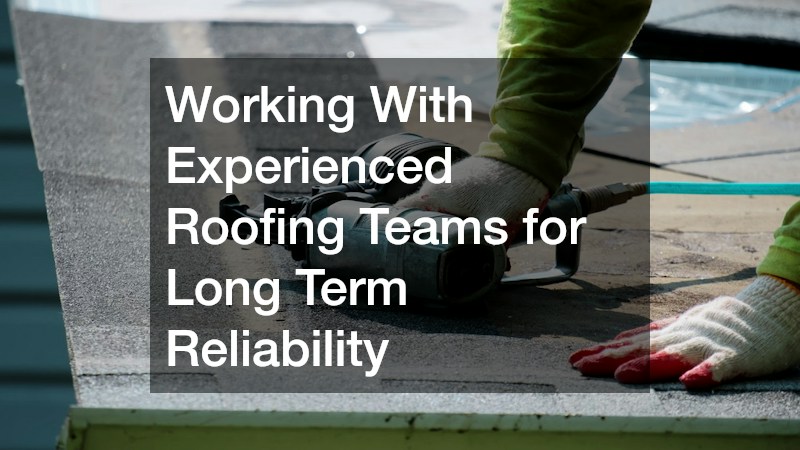
Once a decision is made to invest in a new or upgraded roof, ongoing maintenance becomes just as important as the initial installation. Building a relationship with reliable commercial roofers means having a trusted resource for seasonal inspections, storm damage assessments, and small repairs before they escalate. This kind of ongoing partnership tends to save businesses money over the life of the roof.
Many business owners make the mistake of only calling a roofer after a problem appears, rather than establishing a maintenance schedule in advance. A good working relationship with a roofing team also means faster response times during emergencies, since they already know your building and its history. This proactive approach protects the investment made during a major renovation or expansion.
- Schedule biannual inspections in spring and fall
- Keep documentation of all repairs and warranties
- Establish a direct contact for emergency situations
- Review roof condition after any major storm event
Outgrowing a facility is ultimately a sign of success, but only if the growth is matched with thoughtful reinvestment rather than reactive patchwork. From the roof over your head to the systems running beneath your floors, every component of your building plays a role in supporting the business you are building. Taking stock of these areas now, rather than waiting for a breakdown, puts you in control of the timeline and the budget. The next step is a simple one: walk through your facility with fresh eyes, note where growth has outpaced your current setup, and start the conversations needed to invest in a space that truly supports where your business is headed.
About the Author