Maintaining and rehabbing a commercial building is a multifaceted process that requires careful planning, attention to detail, and collaboration with specialized service providers. From addressing structural challenges to aesthetic enhancements and routine maintenance, every decision you make impacts the longevity, safety, and value of your property. Partnering with the right professionals, such as a commercial electrical contractor, commercial pressure washing teams, and commercial mold remediation companies, ensures that your building operates efficiently and remains attractive to tenants, clients, and customers. Understanding the various services available and knowing when to engage them can save money, prevent damage, and increase the overall lifespan of your commercial property.
What Are the Best Practices for Hiring a Commercial Electrical Contractor?

Understanding Your Building’s Electrical Needs
Before hiring a commercial electrical contractor, it is crucial to fully understand your building’s electrical requirements. Commercial properties have unique needs compared to residential settings, including high-capacity circuits, specialized lighting systems, and HVAC connections. Conducting an electrical audit can help you determine whether your current system needs minor repairs, a complete upgrade, or a new installation. This step ensures that the contractor can provide solutions that are tailored to your building’s specific infrastructure and energy demands.
Evaluating Credentials and Experience
Choosing a licensed and insured commercial electrical contractor with proven experience in commercial projects is essential. Look for contractors who have completed projects similar to your property type, whether office buildings, retail centers, or industrial facilities. Reviewing client testimonials, certifications, and portfolios can give insight into their skill level and reliability. Experienced contractors are better equipped to handle complex systems, integrate advanced technology, and ensure compliance with safety regulations.
Getting Detailed Cost Estimates
Obtaining detailed, itemized cost estimates from multiple commercial electrical contractors allows you to compare services and pricing effectively. Estimates should include materials, labor, and any additional expenses related to system upgrades or safety improvements. Transparent cost breakdowns help prevent unexpected charges during the project and allow you to budget accurately. Including contingencies for unforeseen electrical issues is also recommended.
Safety and Compliance Considerations
Safety is critical in commercial electrical work. A qualified commercial electrical contractor will follow all local, state, and national codes to minimize risks of fire, power failure, or legal complications. Contractors should use certified equipment, conduct thorough inspections, and maintain proper documentation of all work performed. Ensuring compliance with these standards protects both your employees and your property.
Maintaining a Preventive Maintenance Schedule
Once the electrical system is upgraded or repaired, establishing a preventive maintenance schedule is vital. Regular inspections, testing, and system updates help prevent costly breakdowns and maintain energy efficiency. A commercial electrical contractor can provide ongoing monitoring, identify early signs of wear, and replace outdated components before they become major issues.
How Does Commercial Pressure Washing Benefit Your Building?
Enhancement of Building Appearance
Commercial pressure washing is one of the most effective ways to maintain your building’s exterior appearance. Dirt, grime, mold, and mildew can accumulate on walls, sidewalks, and parking areas over time, making the property look neglected. Regular pressure washing restores the building’s aesthetic appeal, creating a welcoming environment for tenants and customers.
Protection Against Corrosion and Decay
Beyond visual improvements, commercial pressure washing also protects your building’s surfaces from long-term damage. Mold, algae, and accumulated debris can cause corrosion and structural decay if left untreated. Periodic pressure washing removes harmful contaminants and preserves the integrity of materials such as concrete, brick, and metal siding.
Choosing the Right Pressure Washing Company
Selecting a reliable commercial pressure washing company ensures that your building is cleaned safely and effectively. Experienced providers use appropriate pressure levels, environmentally safe cleaning solutions, and protective measures to avoid damaging sensitive surfaces. Look for companies with a proven track record and the equipment necessary to handle large-scale commercial properties.
Environmentally Friendly Practices
Many commercial pressure washing companies now emphasize eco-friendly practices. Biodegradable detergents, water reclamation systems, and low-impact cleaning techniques minimize environmental harm while still delivering effective results. Partnering with a company that prioritizes sustainability can also enhance your building’s reputation in the community.
Frequency and Timing of Pressure Washing
The frequency of commercial pressure washing depends on factors such as climate, building location, and type of materials. In high-traffic areas or regions prone to mold and mildew growth, more frequent cleaning may be necessary. Scheduling pressure washing at regular intervals helps maintain both appearance and structural integrity.
How to Handle Mold Issues with a Commercial Mold Remediation Company
Identifying Common Signs of Mold
Mold growth in a commercial building can be subtle at first. Common indicators include musty odors, water stains, discoloration on walls, and health complaints from occupants. Early identification is crucial to prevent widespread contamination and structural damage.
Health Risks Associated with Mold Exposure
Exposure to mold can lead to a range of health problems, particularly for individuals with respiratory conditions or weakened immune systems. Symptoms can include coughing, sneezing, eye irritation, and in severe cases, respiratory infections. Addressing mold promptly protects the health of employees and visitors while reducing potential liability.
Steps in Mold Remediation Process
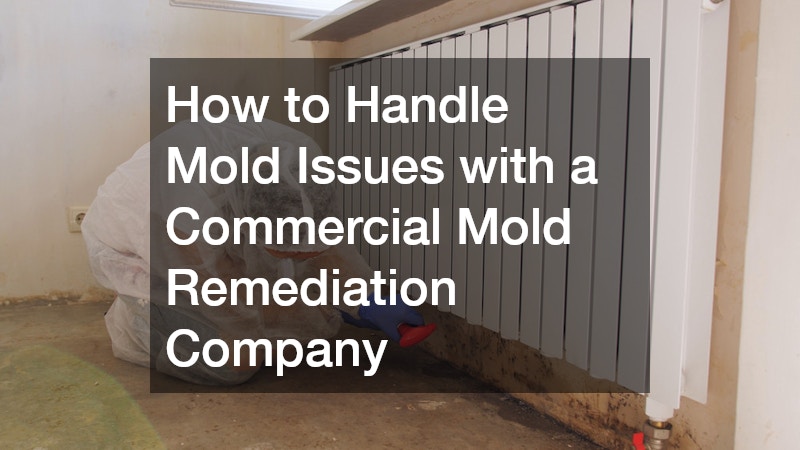
A commercial mold remediation company typically follows a structured process. This includes inspecting the affected areas, identifying the type of mold, containing the spread, removing contaminated materials, and cleaning surfaces with specialized treatments. Post-remediation testing ensures that mold levels are within safe limits before the space is returned to regular use.
Choosing a Reputable Mold Remediation Company
Selecting an experienced commercial mold remediation company is critical to achieving thorough results. Reputable companies provide clear estimates, use industry-approved methods, and follow safety guidelines. Checking certifications, client reviews, and previous work experience can help you choose a provider capable of handling your building’s needs.
Preventative Measures for Future Mold Growth
Preventing mold growth after remediation requires proactive building maintenance. Addressing water leaks, ensuring proper ventilation, and maintaining regular inspections are key strategies. Combining these measures with routine services such as commercial pressure washing can further reduce the risk of mold recurrence.
When to Contact a Local Roofing Company for Repairs
Assessing Roof Damage Indications
A local roofing company can help assess the condition of your roof and identify signs of damage such as leaks, missing shingles, sagging, or water stains inside the building. Early detection of issues prevents more extensive and expensive repairs in the future.
Comparing Roof Repair versus Replacement
Determining whether to repair or replace a roof depends on the extent of damage, the age of the structure, and material quality. A local roofing company can provide a professional assessment and guide you toward the most cost-effective and long-lasting solution for your commercial property.
Working with a Local Roofing Contractor
Partnering with a local roofing company ensures prompt service, familiarity with regional weather challenges, and knowledge of local building codes. Local contractors can also provide ongoing maintenance plans to extend the roof’s lifespan and prevent costly damage.
Understanding Roofing Materials
Choosing the right roofing materials affects durability, energy efficiency, and aesthetics. Options include asphalt shingles, metal roofing, rubber membranes, and more. A trusted roofing contractor can help you select materials that match your building’s needs, budget, and design preferences.
Budgeting for Roof Maintenance and Repair
Regular roof maintenance is a cost-effective investment. Allocating a budget for inspections, minor repairs, and preventive measures helps avoid unexpected emergencies and ensures that your building remains structurally sound.
What Should You Know About Commercial HVAC Services
Importance of Regular HVAC Maintenance
Proper HVAC systems are essential for comfort, energy efficiency, and air quality in commercial buildings. Regular maintenance from professional commercial HVAC services ensures that heating, ventilation, and air conditioning units operate optimally, reducing the risk of breakdowns during peak usage.
Energy Efficiency Tips for HVAC Systems
Upgrading to energy-efficient HVAC systems and scheduling routine maintenance can significantly reduce utility costs. Techniques such as sealing ducts, cleaning filters, and optimizing system settings enhance performance while minimizing energy waste.
Common HVAC Issues and Troubleshooting
Commercial HVAC services can identify common issues such as refrigerant leaks, malfunctioning thermostats, clogged filters, and failing compressors. Early detection prevents costly downtime and improves overall system reliability.
Benefits of Upgrading HVAC Systems
Investing in modern HVAC systems improves temperature control, energy efficiency, and indoor air quality. It also increases tenant satisfaction and can positively impact building valuation by reducing long-term operational costs.
Choosing the Right HVAC Service Provider
Selecting a reputable commercial HVAC provider ensures proper installation, timely maintenance, and effective troubleshooting. Providers with industry certifications and experience in commercial settings are best equipped to meet the complex demands of larger buildings.
How to Effectively Utilize Property Maintenance Services
Key Aspects of Comprehensive Property Maintenance
Property maintenance services encompass a wide range of tasks, including landscaping, plumbing, electrical work, janitorial services, and exterior upkeep. Utilizing these services ensures that all aspects of the property remain functional, safe, and visually appealing.
Customizing a Maintenance Schedule
A tailored maintenance schedule is essential for addressing the unique requirements of your commercial building. Scheduling regular inspections and preventative tasks helps reduce emergency repairs, extend the life of building systems, and maintain operational efficiency.
Cost Effective Strategies in Property Maintenance
Strategic planning with property maintenance services allows you to maximize efficiency while controlling costs. Prioritizing preventive measures, using durable materials, and leveraging bundled services are practical ways to manage expenses without sacrificing quality.
Emerging Technologies in Facility Maintenance
New technologies, such as smart sensors, automated systems, and predictive maintenance software, enable property managers to monitor building conditions in real-time. These innovations improve efficiency, detect issues early, and optimize maintenance schedules for better long-term performance.
Emergency Maintenance Services
Despite routine planning, emergencies can occur. Property maintenance services often provide rapid response teams for urgent issues, from plumbing leaks to electrical failures. Having reliable access to emergency services ensures minimal disruption to your operations.
What Should You Expect from a Quality Asphalt Company

Inspection and Preparation of Paving Sites
A reputable asphalt company begins with thorough site inspections to assess existing conditions. Proper preparation, including grading, excavation, and debris removal, ensures a stable foundation for paving projects.
Quality Asphalt Material Selection
High-quality asphalt materials enhance durability, reduce maintenance needs, and withstand traffic and weather conditions. A professional asphalt company can guide material selection based on the intended use, climate, and load requirements.
Installation Process of Asphalt Paving
Correct installation involves precise layering, compaction, and finishing to create a smooth, long-lasting surface. Experienced crews ensure that asphalt is installed according to best practices, minimizing the risk of cracks and potholes.
Understanding Asphalt Sealcoating
Sealcoating protects asphalt surfaces from water damage, oxidation, and UV exposure. Regular sealcoating extends the life of the pavement and maintains its appearance, reducing long-term repair costs.
Long-Term Asphalt Maintenance
Ongoing maintenance, including crack filling, patching, and surface cleaning, preserves asphalt integrity. Partnering with a reliable asphalt company ensures that your parking lots, driveways, and walkways remain safe and functional.
What Are the Benefits of Investing in Hardscaping
Hardscaping Design Principles
Hardscaping enhances the aesthetic and functional value of a commercial property. Thoughtful design considers traffic flow, accessibility, and visual appeal while complementing the natural landscape.
Materials and Techniques in Hardscaping
Commercial hardscaping projects often use durable materials such as pavers, stone, concrete, and retaining walls. Proper installation techniques ensure long-lasting results that withstand heavy use and environmental conditions.
Increasing Property Value Through Hardscaping
Investing in hardscaping can significantly increase property value. Attractive outdoor spaces, well-maintained walkways, and functional patios create a positive impression for clients, tenants, and visitors.
Challenges and Solutions in Hardscaping
Common challenges include soil instability, drainage issues, and climate-related wear. Professional hardscaping services offer solutions such as proper grading, reinforced materials, and drainage systems to ensure longevity.
Trends in Commercial Landscape Architecture
Modern trends emphasize sustainable materials, low-maintenance designs, and integration of technology. Smart lighting, permeable pavers, and outdoor gathering spaces enhance both usability and curb appeal.
How to Manage Water Damage with Commercial Property Water Remediation Companies
Identifying Causes of Water Damage
Water damage can result from leaks, flooding, plumbing failures, or roof issues. Early detection through inspections and monitoring prevents extensive property damage and reduces remediation costs.
Overview of Water Remediation Techniques
Commercial property water remediation companies employ a variety of techniques, including water extraction, drying, dehumidification, and mold prevention treatments. These methods restore affected areas while minimizing disruption to building operations.
Choosing the Right Remediation Company
Selecting a reputable commercial property water remediation company ensures efficient, effective, and safe restoration. Experienced providers use industry-standard practices and provide clear communication throughout the process.
Post-Remediation Property Assessments
After remediation, thorough inspections confirm that the property is dry, safe, and free from residual contamination. Post-remediation assessments prevent lingering issues and help maintain building integrity.
Preventative Measures Against Water Damage
Preventative strategies include regular roof inspections, plumbing maintenance, and effective drainage systems. Integrating these measures with ongoing property maintenance services reduces the risk of future water damage.
How Do Local Water Restoration Services Work?
Understanding the Water Restoration Process
Local water restoration services provide immediate intervention in the event of water damage. The process includes initial assessment, water extraction, drying, sanitation, and damage repair.
Immediate Steps to Take in Water Emergencies
When water damage occurs, swift action is critical. Turning off power, removing valuable items, and contacting a local water restoration service quickly can minimize the impact on your commercial property.
Working with Insurance for Water Damage Claims
Professional local water restoration services assist with insurance documentation, including damage assessment, photographs, and detailed reports. This support can streamline claim processing and ensure proper reimbursement.
Latest Technologies in Water Restoration
Modern water restoration services use advanced equipment such as moisture meters, industrial dehumidifiers, and thermal imaging to detect hidden water. These technologies improve efficiency and accuracy during the restoration process.
Evaluating Local Service Providers
When selecting a local water restoration service, prioritize providers with experience, certifications, and a history of prompt response. Local expertise ensures that they understand regional weather challenges, building codes, and potential hazards.
Final Thoughts
Maintaining and rehabbing your commercial building requires a coordinated approach that integrates multiple services and specialized contractors. From hiring a commercial electrical contractor to utilizing commercial pressure washing, commercial mold remediation companies, local roofing companies, and commercial HVAC services, each element contributes to the building’s performance, safety, and aesthetic appeal. Property maintenance services, asphalt companies, hardscaping, commercial property water remediation companies, and local water restoration services further enhance the durability and value of your investment. By understanding the roles of these services and engaging trusted providers, you can ensure your commercial property remains functional, safe, and visually appealing for years to come.