Kitting services have become an essential part of today’s supply chain. Many companies rely on them to save time, reduce errors, and improve order accuracy.
As business operations become more complex, the need for organized and efficient processes continues to grow. Kitting helps companies meet these demands by simplifying how products are prepared and shipped.
Kitting services involve gathering several individual items and combining them into one complete kit. Workers do not need to pick each item separately. Instead, they handle one package that already contains everything required for an order or task. This method is used in many industries. Retailers use kitting for product bundles. Subscription box companies rely on it to prepare monthly shipments. Manufacturers depend on kitting to organize parts for assembly. This broad range of uses shows why kitting has become so important.
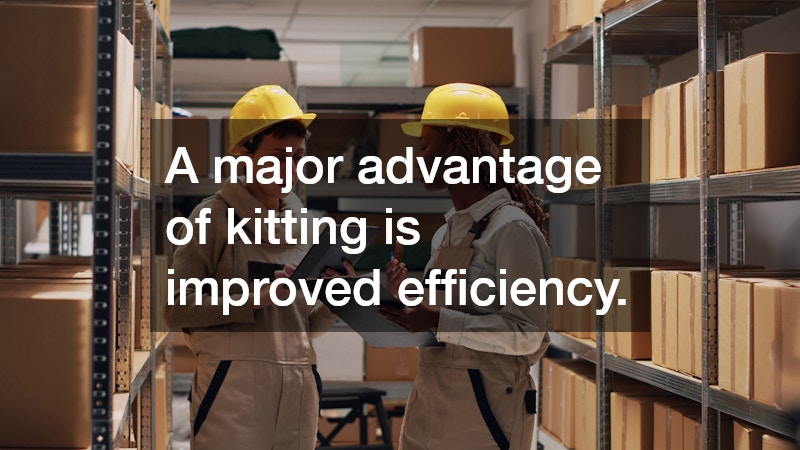
A major advantage of kitting is improved efficiency. Picking items one by one takes time and increases the chance of mistakes. Kitting reduces these steps by preparing items ahead of time. When a kit is ready to go, the fulfillment process becomes faster and more reliable. This saves labor and increases productivity. It also reduces the number of errors in each order. Incorrect orders can lead to returns, extra shipping costs, and unhappy customers. Kitting helps avoid these problems by ensuring that all items are carefully organized before they reach the customer.
Customer expectations are high. People want fast shipping and accurate deliveries. They also want clean and organized packaging. Kitting supports these expectations. Each kit is prepared in a neat and consistent way. This helps improve the overall customer experience. Subscription box companies depend on this consistency. Their customers expect every box to contain the correct products. Retailers also benefit by offering kits that make buying easier and more appealing. A well-packaged kit can improve a customer’s impression of a brand.
Manufacturing operations rely heavily on accuracy and timing. A missing component can slow or stop production. Kitting services help prevent this. Workers receive a complete set of parts prepared in advance. This reduces the time spent searching for individual items. It also supports a steady workflow. Industries such as automotive, aerospace, medical devices, and electronics depend on precise organization. Kitting supports these needs by keeping parts sorted and ready for use. This makes production more predictable and reduces the chance of delays.
Another important benefit of kitting is cost savings. Labor costs go down because workers spend less time picking and sorting. Packaging costs decrease when items are combined into one organized kit. Shipping costs may also drop because kits can reduce the size and weight of shipments. Inventory control improves as well. When items are grouped in advance, businesses can better forecast demand. This helps reduce overstocking and prevents waste. These savings make kitting an effective solution for companies looking to reduce expenses.
Technology is playing a major role in the growth of kitting services. Automated picking systems help speed up the preparation of kits. Barcode scanners and warehouse management software improve accuracy. Robotics support faster and more consistent assembly. Artificial intelligence helps companies predict which kits will be needed most and when demand will increase. These tools make the process more reliable and efficient. As technology becomes more affordable, smaller businesses can also benefit from these improvements.
Many companies choose to outsource kitting services. Third-party logistics providers have the space, tools, and trained staff needed for efficient kit assembly. Outsourcing allows businesses to scale quickly during busy seasons. It also helps avoid the cost of hiring additional staff or expanding warehouse space. By using outside experts, businesses can focus on their core operations. They can spend more time on product development, customer service, and marketing while professionals handle the kitting and fulfillment work. Outsourcing can provide consistent quality and faster turnaround times.
The future of kitting services will involve more customization. Customers want personalized products and flexible buying options. Businesses will need to create smaller, more tailored kits. This will require better forecasting, flexible systems, and faster assembly processes. Technology will help companies meet these demands. Automated tools and data-driven planning will play an important role in supporting the growth of customized kitting.
Kitting services will continue to evolve as business needs change. Companies will adopt new systems and technologies to keep up with rising expectations. Kitting will remain a valuable tool for organizing products and managing fulfillment. It helps reduce errors, improve efficiency, and lower costs. As competition increases, strong and reliable processes will help companies stand out. Kitting provides these advantages and supports long-term success in many industries.
The dynamic nature of kitting shows why it remains an essential part of the modern supply chain. Its combination of organization, speed, accuracy, and cost control makes it a practical choice for companies of all sizes. Kitting services will continue to support better operations, stronger customer experiences, and more efficient production workflows in the years ahead.
Kitting services have become an essential part of today’s supply chain. Many companies rely on them to save time, reduce errors, and improve order accuracy.
As business operations become more complex, the need for organized and efficient processes continues to grow. Kitting helps companies meet these demands by simplifying how products are prepared and shipped.
Kitting services involve gathering several individual items and combining them into one complete kit. Workers do not need to pick each item separately. Instead, they handle one package that already contains everything required for an order or task. This method is used in many industries. Retailers use kitting for product bundles. Subscription box companies rely on it to prepare monthly shipments. Manufacturers depend on kitting to organize parts for assembly. This broad range of uses shows why kitting has become so important.
A major advantage of kitting is improved efficiency. Picking items one by one takes time and increases the chance of mistakes. Kitting reduces these steps by preparing items ahead of time. When a kit is ready to go, the fulfillment process becomes faster and more reliable. This saves labor and increases productivity. It also reduces the number of errors in each order. Incorrect orders can lead to returns, extra shipping costs, and unhappy customers. Kitting helps avoid these problems by ensuring that all items are carefully organized before they reach the customer.
Customer expectations are high. People want fast shipping and accurate deliveries. They also want clean and organized packaging. Kitting supports these expectations. Each kit is prepared in a neat and consistent way. This helps improve the overall customer experience. Subscription box companies depend on this consistency. Their customers expect every box to contain the correct products. Retailers also benefit by offering kits that make buying easier and more appealing. A well-packaged kit can improve a customer’s impression of a brand.
Manufacturing operations rely heavily on accuracy and timing. A missing component can slow or stop production. Kitting services help prevent this. Workers receive a complete set of parts prepared in advance. This reduces the time spent searching for individual items. It also supports a steady workflow. Industries such as automotive, aerospace, medical devices, and electronics depend on precise organization. Kitting supports these needs by keeping parts sorted and ready for use. This makes production more predictable and reduces the chance of delays.
Another important benefit of kitting is cost savings. Labor costs go down because workers spend less time picking and sorting. Packaging costs decrease when items are combined into one organized kit. Shipping costs may also drop because kits can reduce the size and weight of shipments. Inventory control improves as well. When items are grouped in advance, businesses can better forecast demand. This helps reduce overstocking and prevents waste. These savings make kitting an effective solution for companies looking to reduce expenses.
Technology is playing a major role in the growth of kitting services. Automated picking systems help speed up the preparation of kits. Barcode scanners and warehouse management software improve accuracy. Robotics support faster and more consistent assembly. Artificial intelligence helps companies predict which kits will be needed most and when demand will increase. These tools make the process more reliable and efficient. As technology becomes more affordable, smaller businesses can also benefit from these improvements.
Many companies choose to outsource kitting services. Third-party logistics providers have the space, tools, and trained staff needed for efficient kit assembly. Outsourcing allows businesses to scale quickly during busy seasons. It also helps avoid the cost of hiring additional staff or expanding warehouse space. By using outside experts, businesses can focus on their core operations. They can spend more time on product development, customer service, and marketing while professionals handle the kitting and fulfillment work. Outsourcing can provide consistent quality and faster turnaround times.
The future of kitting services will involve more customization. Customers want personalized products and flexible buying options. Businesses will need to create smaller, more tailored kits. This will require better forecasting, flexible systems, and faster assembly processes. Technology will help companies meet these demands. Automated tools and data-driven planning will play an important role in supporting the growth of customized kitting.
Kitting services will continue to evolve as business needs change. Companies will adopt new systems and technologies to keep up with rising expectations. Kitting will remain a valuable tool for organizing products and managing fulfillment. It helps reduce errors, improve efficiency, and lower costs. As competition increases, strong and reliable processes will help companies stand out. Kitting provides these advantages and supports long-term success in many industries.
The dynamic nature of kitting shows why it remains an essential part of the modern supply chain. Its combination of organization, speed, accuracy, and cost control makes it a practical choice for companies of all sizes. Kitting services will continue to support better operations, stronger customer experiences, and more efficient production workflows in the years ahead.