
Modern agriculture increasingly depends on controlled growing environments that allow producers to maintain consistent crop quality, extend growing seasons, and optimize resource use. As demand for fresh produce, ornamental plants, and specialty crops continues to grow, more growers are turning to greenhouse facilities as a reliable solution for improving efficiency and productivity. These structures are no longer simple coverings for plants; they are highly engineered environments designed to support precise control over temperature, humidity, airflow, irrigation, and lighting.
Building an effective greenhouse requires far more than assembling materials on a prepared site. Every decision made during planning and construction influences how well the facility will perform once it becomes operational.
Factors such as orientation, structural design, ventilation systems, drainage, and material selection all play critical roles in ensuring long-term efficiency and crop success.
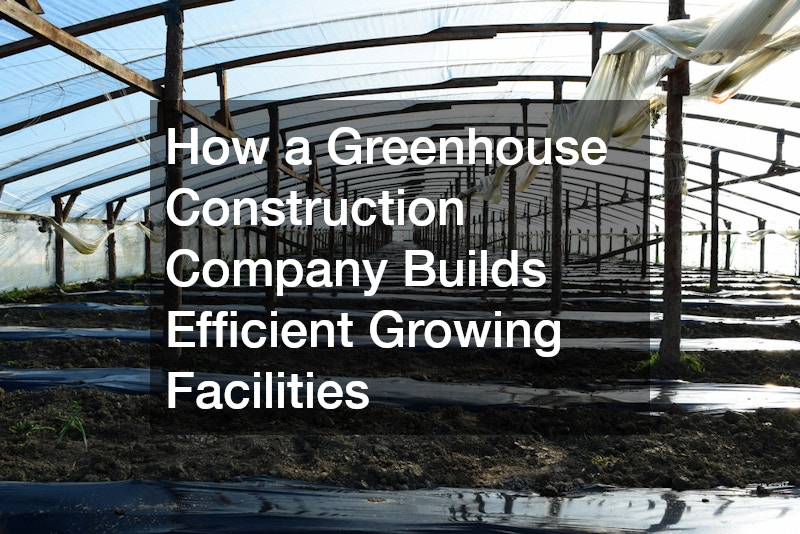
Understanding how these facilities are built provides valuable insight into the engineering, planning, and technical precision required to create a productive growing environment. Each stage of development contributes to the overall performance of the structure and directly impacts crop health and operational success.
Site Evaluation and Strategic Planning
The foundation of any successful greenhouse project begins with careful site evaluation. Before construction begins, soil conditions, drainage patterns, sunlight exposure, wind direction, and accessibility are all analyzed to determine the most suitable location for the structure.
A professional greenhouse construction company typically conducts detailed site assessments to ensure the chosen area supports optimal growing conditions. Proper orientation is essential, as positioning the structure to maximize natural light can significantly improve plant growth while reducing energy costs associated with artificial lighting.
Planning also involves evaluating long-term operational needs. This includes determining space requirements for planting areas, storage zones, irrigation systems, and future expansion. By considering these factors early, designers can create layouts that remain functional as the operation grows.
Structural Design and Engineering
Once the site has been selected, attention shifts to structural design. The framework of a greenhouse must be strong enough to withstand environmental pressures such as wind, snow load, and temperature fluctuations while still allowing maximum light transmission.
Engineering teams focus on creating designs that balance durability with efficiency. Materials such as galvanized steel or aluminum are commonly used for framing due to their strength and resistance to corrosion. Transparent or semi-transparent coverings are selected based on insulation properties, light diffusion, and energy efficiency.
A skilled greenhouse construction company integrates these structural elements into a cohesive design that supports both plant health and operational practicality. Proper engineering ensures that the facility remains stable and functional for many years with minimal maintenance.
Environmental Control Systems
One of the defining features of modern greenhouse facilities is the ability to regulate internal environmental conditions. Temperature, humidity, airflow, and light exposure all play critical roles in plant development, and maintaining balance among these factors is essential for consistent crop production.
Heating and cooling systems help stabilize temperatures during seasonal changes, while ventilation systems regulate airflow and reduce excess humidity. Automated shade systems and supplemental lighting further enhance growing conditions by adjusting light exposure based on crop requirements.
These systems are carefully integrated during construction to ensure seamless operation. A well-designed facility allows growers to maintain ideal conditions with minimal manual intervention, improving efficiency and reducing labor demands.
Irrigation and Resource Management
Efficient water usage is another key component of greenhouse design. Modern irrigation systems are designed to deliver precise amounts of water directly to plant roots, minimizing waste while promoting healthy growth.
Drip irrigation, misting systems, and automated nutrient delivery systems are commonly incorporated into greenhouse infrastructure. These technologies ensure that plants receive consistent hydration and nutrients based on their growth stage and environmental conditions.
A professional greenhouse construction company often includes resource-efficient systems in the initial design phase, helping growers reduce water consumption and improve overall sustainability. Careful planning of irrigation layout also helps prevent overwatering and reduces the risk of disease caused by excessive moisture.
Construction and Quality Control
During the construction phase, precision and quality control are essential. Every component must be installed according to engineering specifications to ensure structural integrity and system functionality.
Regular inspections are conducted throughout the building process to verify alignment, sealing, and system integration. Proper installation of ventilation systems, irrigation lines, and structural supports ensures that the facility performs as intended once operational.
Working with an experienced greenhouse construction company ensures that each aspect of the facility is designed with efficiency and functionality in mind. Their expertise helps align structural design with agricultural goals, resulting in a space that supports both immediate productivity and future expansion.
As agricultural demands continue to evolve, the importance of well-designed greenhouse systems will only increase. Facilities that prioritize efficiency, adaptability, and sustainability are better positioned to meet market needs while maintaining consistent crop quality.
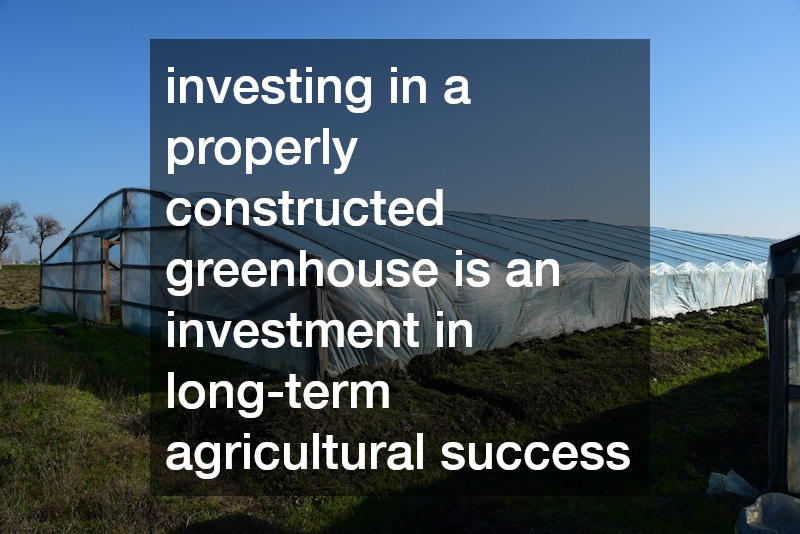
Ultimately, investing in a properly constructed greenhouse is an investment in long-term agricultural success. With the right planning and execution, these facilities can provide reliable production environments that support growers for many years to come.
About the Author