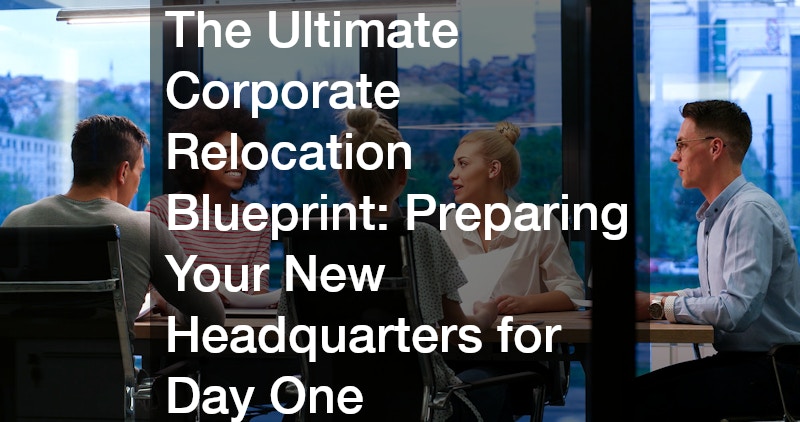
Moving an entire corporate headquarters is one of the most complex tasks a business can undertake. It is far more than a simple matter of packing up files, loading boxes onto trucks, and changing the address on the company website. A major corporate move is a massive operational pivot that can influence a company’s productivity, brand reputation, and employee retention for a decade or more. When executives decide to transition to a new facility, they are usually driven by growth, the desire for modern amenities, or a strategic need to change geographical locations. However, the path between signing the lease and opening the doors for day-one operations is filled with logistical variables. If managed poorly, a move can lead to extensive downtime, lost revenue, and frustrated staff members.
To prevent these pitfalls, successful enterprise organizations rely on a rigorous relocation blueprint. This framework ensures that every single detail of the physical infrastructure, legal compliance, and human experience is addressed well before the arrival date. Project managers must coordinate across multiple departments, aligning external contractors with internal timelines to ensure that nothing falls through the cracks. By approaching the move through a structured, multi-phase methodology, corporate facility managers can systematically minimize risk. They can transform an unfamiliar, empty shell of a building into an optimized center of productivity. The key to success lies in understanding that a building must be completely ready to support human work and corporate operations long before the actual moving trucks arrive. This early preparation establishes a solid foundation for all subsequent phases.
Securing the Exterior Envelope and Transit Zones
The first major phase of preparing a new corporate headquarters involves securing and stabilizing the physical structure itself. Before bringing delicate technology, expensive machinery, or corporate personnel inside, operations teams must verify that the building’s exterior is completely secure against the elements. The roof represents the primary defense against weather-related operational disruptions, making its evaluation a top priority. Securing professional roofing services early in the timeline allows for an exhaustive assessment of the structural membrane, flashings, and insulation systems. Addressing minor structural vulnerabilities, clearing blocked gutters, or applying protective coatings while the building is entirely vacant prevents catastrophic water leaks that could ruin brand-new interior fit-outs later on. Furthermore, a resilient roof structure helps interior climate control systems run efficiently.
Once the upper boundary of the property is verified as secure, focus must immediately transition down to the primary pathways that surround the facility. The surrounding ground environment serves as the first point of physical contact for staff members, high-value clients, and delivery networks. Investing in high-quality parking lot paving is a necessary operational step to ensure safety and seamless transit access. Smooth, professionally laid asphalt eliminates severe liabilities such as deep potholes or uneven surfaces that could cause pedestrian injuries or vehicular damage. Precise directional striping, clearly designated fire lanes, and well-graded drainage systems ensure that traffic moves efficiently throughout the corporate campus. Taking care of these disruptive, heavy construction tasks weeks before the move ensures that the property looks immaculate and operates safely on the opening morning.
Cultivating Brand Identity and Campus Aesthetics
A corporate headquarters serves as a physical embodiment of a company’s brand, culture, and long-term vision. The visual presentation of the campus sets expectations for clients, investors, and prospective talent before they even step through the front entrance. For this reason, modern enterprises treat the surrounding environment as a vital asset for corporate storytelling. Developing and executing sophisticated landscaping designs around walkways, main entryways, and central courtyards completely changes the perception of a commercial property. Integrating native trees, drought-tolerant flora, and peaceful outdoor seating areas creates an inviting, balanced atmosphere that can reduce employee stress and enhance overall corporate aesthetic value. These green zones provide functional areas for informal outdoor meetings.
After the living elements of the property are established, management must focus on creating a cohesive visual language across the campus. Partnering with a professional commercial printing service allows management to execute a cohesive signage and wayfinding strategy, including monument signs and regulatory plaques. Beyond simple exterior signage, this service plays a major role in transforming blank internal walls into inspiring environments through custom wall graphics, corporate timelines, and branded reception imagery. Ensuring that all printed materials and signs are perfectly installed prior to the official launch means that visitors can navigate the new facility without confusion, and employees immediately feel a sense of pride and belonging within the updated workspace.
Engineering Durable and Ergonomic Interior Spaces
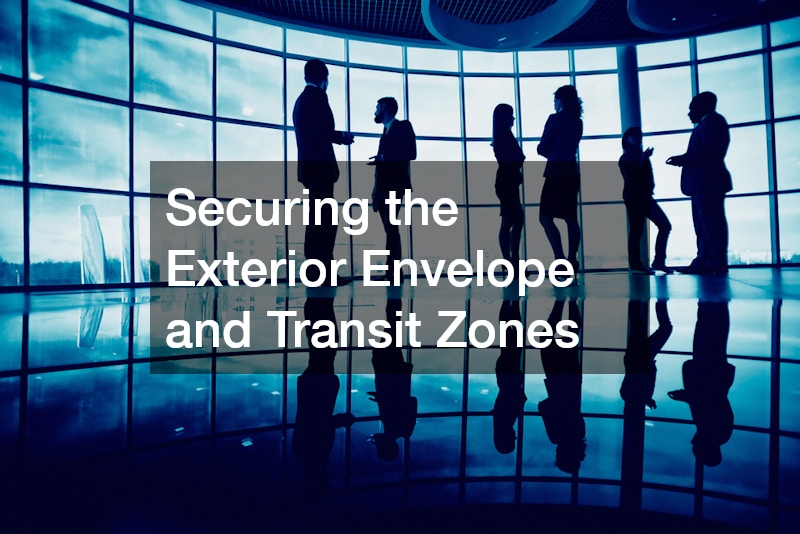
Moving past the entryway, the interior floor plan must be carefully engineered to support high-density daily activity while projecting an elegant, modern aesthetic. Certain areas of a corporate facility, such as main utility corridors, chemical storage units, staff breakrooms, and loading zones, experience intense wear and tear from foot traffic and heavy equipment. Installing an industrial-grade epoxy flooring system in these high-impact areas delivers a seamless, remarkably durable solution that resists stains, chemicals, and physical abrasions. This type of coating is non-porous, making it exceptionally easy for sanitation teams to clean, while its high gloss enhances interior brightness by reflecting ambient light efficiently. Consequently, long-term facility maintenance costs are reduced right from the start.
Once the foundational surfaces are secured, the design team can turn its full attention to the primary collaborative and individual workspaces. The choice of modern office furniture designs is a major factor in driving daily employee engagement and protecting workplace health. Modern corporate operations require a diverse mix of workspace solutions, ranging from height-adjustable ergonomic workstations to modular collaborative lounges and sound-isolated privacy pods for focused tasks. By carefully matching furniture choices with the specific workflow needs of different departments, a business can foster a highly agile workplace culture. This thoughtful configuration ensures that the layout not only looks visually stunning but also actively reduces physical fatigue and repetitive strain injuries, allowing employees to maintain peak focus throughout the workday.
Mitigating Utility Risks Through Deep Infrastructure Audits
While visible design choices and ergonomic seating layouts frequently dominate facility management discussions, the unseen utility systems ultimately dictate whether a building can remain operational. Water systems, gas lines, and wastewater infrastructure experience severe shocks when a building moves from a period of prolonged vacancy to maximum occupancy on opening day. To protect a company from the financial and operational embarrassment of utility failures during launch week, it is critical to bring in an experienced commercial plumber to run comprehensive diagnostic tests. This specialist will audit the water pressure, inspect commercial water heaters, check backflow prevention systems, and confirm that all restroom facilities meet local building and accessibility codes. This initial evaluation prevents minor pipe leaks from turning into massive interior floods that disrupt workflows. It also ensures that specialized equipment receives consistent, uninterrupted fluid flow.
Alongside the inspection of incoming water systems, the main outflow infrastructure must receive preventative maintenance to handle high-volume use. Scheduling a thorough drain cleaning across all lateral lines, vertical stacks, and main sewer connections is an essential step to clear away accumulated debris, mineral deposits, or structural obstructions before the facility opens. This is especially true for corporate campuses that plan to run in-house cafeterias or large breakrooms. Taking care of these maintenance needs ahead of time ensures that the organization avoids sudden backups or slow-draining systems that could damage property, disrupt daily business operations, and create an unhygienic working environment for staff members.
Aligning Regulatory Compliance and Corporate Protection
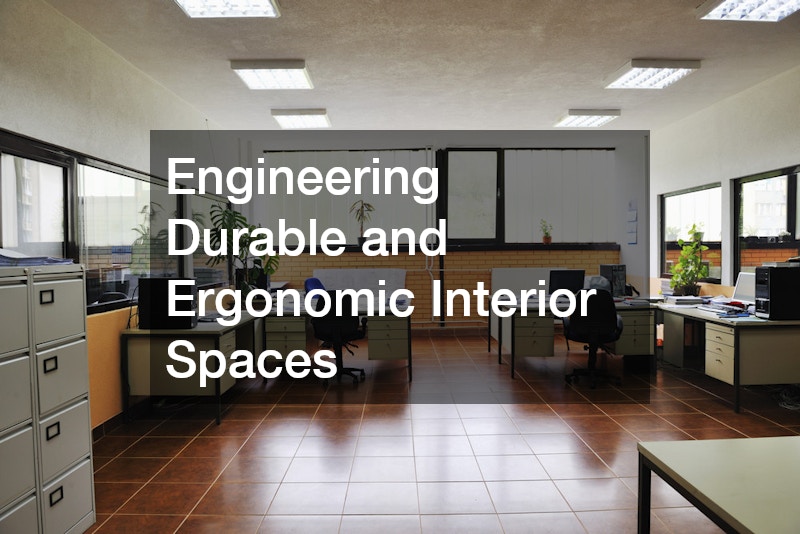
A successful corporate relocation involves far more than preparing physical real estate; it also demands a careful restructuring of the administrative safeguards that protect the company’s capital assets. Transitioning to a new facility alters a corporation’s overall risk profile due to changes in square footage, building materials, security infrastructure, and regional environmental factors. Weeks before the official move-in date, corporate risk management teams must schedule comprehensive consultations with their preferred insurance agency to reevaluate their entire commercial policy framework. Property insurance must be adjusted to accurately reflect the replacement value of the new headquarters, including any high-value interior structural improvements and technology upgrades. An accurate valuation prevents coverage gaps that could prove devastating during a crisis.
Additionally, general liability, umbrella coverages, and worker protection policies must be updated to ensure seamless continuity of coverage across the new geographic location. Risk managers should also evaluate specialized coverages, such as business interruption insurance, to shield the enterprise against unexpected financial losses during the physical transition period. Neglecting these administrative details can leave an enterprise exposed to catastrophic financial liabilities if an accident, weather event, or structural failure occurs during the chaotic transition window. Securing updated, comprehensive coverage guarantees that leadership can lead the relocation process with absolute confidence, knowing that the company’s financial future is fully shielded against unforeseen events.
Welcoming the Workforce and Establishing Day-One Morale
The final phase of any relocation strategy focuses entirely on the human element of the organization. Moving to a new office can be an intimidating or stressful experience for employees who must adapt to unfamiliar routes, new desk configurations, and adjusted daily routines. To counter this anxiety, leadership should transform opening day into an exciting celebration of the company’s collective growth. Providing an upscale corporate catering service on the morning of the launch is an incredibly effective way to welcome the team and set a vibrant tone for the future. It signals that employee comfort is a genuine priority for executive leadership.
Arranging managed food stations, professional barista bars, and a celebratory lunch allows employees to explore the new environment, socialize with colleagues, and settle into the space without the added stress of finding off-site dining options during their first day. Furthermore, providing exceptional food options within the building encourages workers to gather in common areas, accelerating the process of adjusting to the new environment. This direct investment in employee hospitality transforms a complex logistical transition into a positive community experience. It builds immediate excitement for the new workspace, boosts initial morale, and reinforces a supportive corporate culture from the very first hour of operations.
Synchronizing Technology and Communication Infrastructure
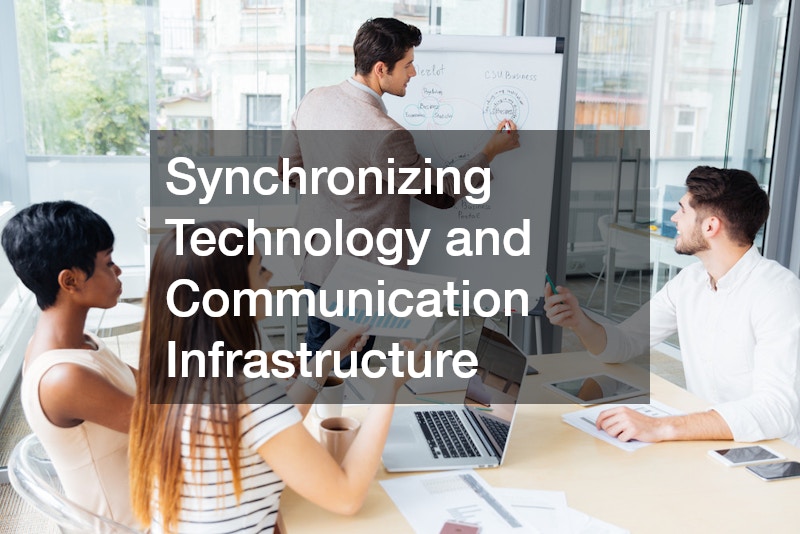
No corporate relocation blueprint is complete without a deep focus on the digital nervous system of the organization. Modern business operations rely entirely on stable, high-speed network connectivity and secure data systems. While the physical structure and utility systems form the body of the new headquarters, the technology infrastructure represents its brain. Network engineering teams must have early access to the facility to install server racks, pull low-voltage data cabling, and establish robust wireless access points across every floor. Testing internet bandwidth, configuring firewall protocols, and ensuring that backup power supplies are fully operational must occur days before the workforce arrives. Simulated stress tests can help identify and resolve hidden network bottlenecks beforehand.
Additionally, internal communication systems, video conferencing hardware in meeting rooms, and digital access control systems at building entryways must undergo rigorous stress testing. If employees cannot log into their workstations, access cloud applications, or communicate with clients on day one, the entire relocation will be perceived as a failure, regardless of how beautiful the building looks. Spending time to verify network stability and hardware readiness ensures that the company maintains its market presence and experiences zero drop in client communication during the final move-in phase. This technological preparation forms the invisible foundation of modern business success.
The Long-Term Operational Dividends of a Methodical Transition
Taking a systematic, proactive approach to corporate relocation yields massive dividends that extend far beyond a smooth opening day. When an organization invests the time and resources necessary to thoroughly audit, repair, and optimize its new headquarters before occupancy, it sets a standard for operational excellence. This careful preparation significantly lowers long-term maintenance expenses, minimizes the likelihood of sudden facility emergencies, and protects the overall value of the commercial real estate asset.
More importantly, a seamless, welcoming transition sends a powerful message to the workforce. It demonstrates that leadership values their comfort, safety, and productivity, which directly translates into higher employee engagement and retention. A move should never be viewed as a chaotic disruption to survive, but rather as a strategic opportunity to upgrade processes, refine brand identity, and revitalize company culture. By adhering to a comprehensive relocation blueprint, modern corporations can confidently step into their new headquarters, fully prepared to achieve new milestones of growth and success from day one onward. Ultimately, a flawless move transforms a real estate upgrade into a catalyst for triumph.
About the Author