Commercial roofing plays a pivotal role in the overall operational efficiency of a business facility. As a business owner, understanding the financial responsibilities associated with maintaining a healthy roof is crucial for optimal budgeting and long-term savings.
Among the primary financial considerations are capital expenditures and repairs, both of which have distinct roles and implications.
Understanding Capital Expenditure in Commercial Roofing
Capital expenditures (CapEx) refer to the long-term investments made in the structure and functionality of a building. In the context of commercial roofing, CapEx often involves large-scale projects such as complete roof replacements or significant upgrades. These investments usually offer benefits over an extended period, enhancing the building’s value and operational efficacy.
When undertaking a capital expenditure, businesses must assess the life expectancy and performance enhancement such projects can offer. For instance, opting for a more durable roofing material might initially require a substantial financial outlay, but it pays off by reducing future repair costs and improving energy efficiency. The ability to balance immediate expenditure with long-term gains requires careful evaluation and strategic forecasting.
Furthermore, tax benefits associated with capital expenditures can offer financial relief. Understanding the depreciation schedule for capital investments helps businesses effectively plan their finances. By categorizing these expenses appropriately, business owners can improve cash flow management and ensure compliance with financial regulations regarding commercial roofing projects.
Considering the Role of Repairs in Commercial Roofing
Repairs serve as a reactive measure to address immediate roofing issues that might jeopardize the integrity of the building. These are typically smaller-scale fixes that resolve problems such as leaks, damaged shingles, or deteriorating flashings. Timely repairs are essential to prolong the lifespan of a roof and to prevent minor issues from escalating into major structural damage.
Implementing regular roof inspections can help identify and mitigate minor problems before they require costly repairs or replacements. A well-maintained roof often contributes to the overall sustainability of a commercial building, supporting its energy efficiency and safety standards. By prioritizing minor repairs, businesses can avoid disruptions caused by roof failures and ensure consistent protection from environmental elements.
Financially, repairs are usually recorded as operating expenses, providing a different impact on the business’s profit and loss statement compared to capital expenditures. These shorter-term, immediate costs are typically easier to budget for and can be adjusted based on the company’s financial health. Nevertheless, it is crucial to maintain a contingency fund to cover unexpected repairs, ensuring uninterrupted business operations.
Balancing Capital Expenditure and Repairs
The decision to allocate funds between capital expenditures and repairs depends largely on the current condition of the commercial roofing system and future business objectives. Clear assessment criteria should include the age of the roof, existing damage, and the strategic growth plans of the company. Balancing the need for immediate repairs against the anticipated benefits of significant capital investments is vital for maintaining financial health.
Incorporating a mixed approach often yields the best results. Analyzing past repair frequencies and costs can guide businesses in determining when it is more cost-effective to invest in a new roofing solution instead of persisting with frequent repairs. Such data-driven decisions can significantly contribute to sustained budgeting efficiency and the longevity of the commercial roofing.
Moreover, effective communication with roofing professionals provides valuable insights into the most suitable materials and technologies for specific business needs. Engaging experts helps ensure that capital projects and repairs are executed to industry standards, maximizing the returns on investment. With proper guidance, businesses can align their roofing expenses with their broader economic goals, reinforcing their operational resilience.
Strategic Financial Planning for Commercial Roofing
Strategically navigating between capital expenditures and repairs is crucial to maintaining a robust commercial roofing system. Understanding when to invest heavily in infrastructure and when to opt for targeted repairs is an essential aspect of sound financial management within the realm of facility upkeep. The right balance prevents unforeseen financial strain and safeguards the longevity and functionality of the building.
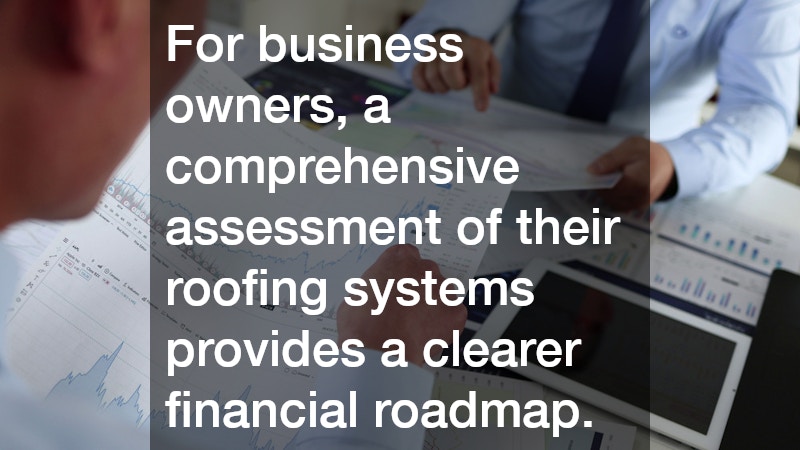
For business owners, a comprehensive assessment of their roofing systems provides a clearer financial roadmap and ensures alignment with both current and long-term operational objectives. Building a partnership with experienced roofing professionals enables companies to make informed choices, leveraging industry advancements and methodological expertise. This alignment translates to a profound impact on both savings and sustainability.
Ultimately, capital expenditures and repairs are integral components of holistic financial planning within the commercial roofing sector. By tailoring strategies that reflect specific business goals, enterprises can fortify their infrastructure against both immediate risks and future challenges. Prioritizing sound budgeting in these areas fosters an environment where financial health and facility performance go hand in hand.
About the Author