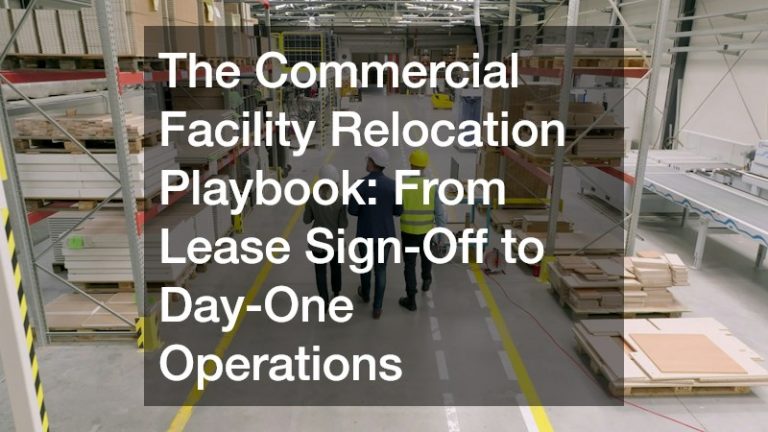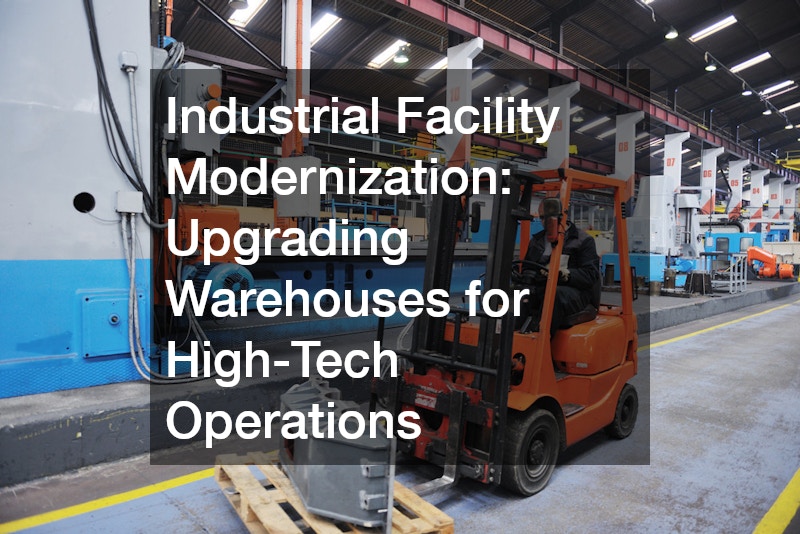
The modern industrial sector is undergoing a profound transformation across North America and global supply chains. Traditional storage facilities that once relied strictly on manual labor and basic pallet racking are rapidly evolving into sophisticated, tech-enabled distribution hubs. Automated guided vehicles, robotic sorting arms, high-density vertical storage systems, and real-time inventory management software are now standard features of competitive logistics operations. However, integrating these advanced technologies into existing facilities presents significant physical and engineering challenges. Older industrial buildings were simply not engineered to accommodate the massive electrical loads, hyper-level floor tolerances, and stringent climate control parameters required by modern robotics.
As a result, facility directors, asset managers, and real estate investment groups are embarking on comprehensive modernization projects designed to bridge the gap between legacy infrastructure and futuristic operational demands. Successful upgrades require meticulous advance planning, multi-phase execution strategies, and close collaboration among specialized trade professionals. When embarking on major structural overhaul projects, enterprise leadership teams routinely consult with experienced commercial builders to evaluate structural load-bearing capacity, clear ceiling heights, and baseline slab integrity. These master trade experts determine whether the existing footprint can safely support heavy automated machinery or if structural expansions, wall removals, and ceiling lifts are necessary to accommodate modern operational workflows seamlessly. From re-engineering entryways to creating dedicated server bays, foundational adjustments lay the permanent groundwork for everything that follows. Modernizing an industrial property is far more than a simple cosmetic renovation; it is a systematic engineering effort that turns aging structures into high-value assets for long-term commercial growth, maximum throughput, enhanced safety standards, and operational flexibility across diverse supply chain logistics channels.
Fortifying the Building Envelope and Roof System
Before bringing delicate electronics, high-value optical sensor arrays, and computerized warehouse equipment into a facility, the physical shell must offer complete, uncompromising weather resistance. Water leaks, airborne dust intrusion, or uncontrolled moisture condensation can ruin millions of dollars in automated logistics infrastructure in an instant. Furthermore, a compromised building envelope leads to severe heating and cooling energy losses, drastically driving up utility costs for climate-controlled warehousing environments. Upgrading the building shell naturally begins at the very top of the structure.
Property managers and general contractors regularly recruit a qualified commercial roofer to conduct comprehensive thermal imaging inspections, repair existing membrane vulnerabilities, and install high-performance industrial roofing systems capable of withstanding extreme weather events. In many modernization scenarios, these roof overhauls include installing reinforced steel mounting pads for heavy industrial heating, ventilation, and air conditioning units. Automated facilities generate substantial internal thermal loads from continuous machinery operation, making specialized exhaust and climate control systems mandatory for stable interior conditions. Modern industrial roofs also frequently integrate energy-efficient reflective membrane materials or robust solar panel arrays, effectively converting unused rooftop space into a clean, cost-saving energy generation platform. Ensuring the overhead barrier is watertight, thermally efficient, and structurally sound establishes a secure physical environment for sensitive automation equipment below, preventing costly operational interruptions, extending overall facility longevity, and protecting long-term commercial capital investments.
Securing Property Perimeters and Enhancing Outer Grounds
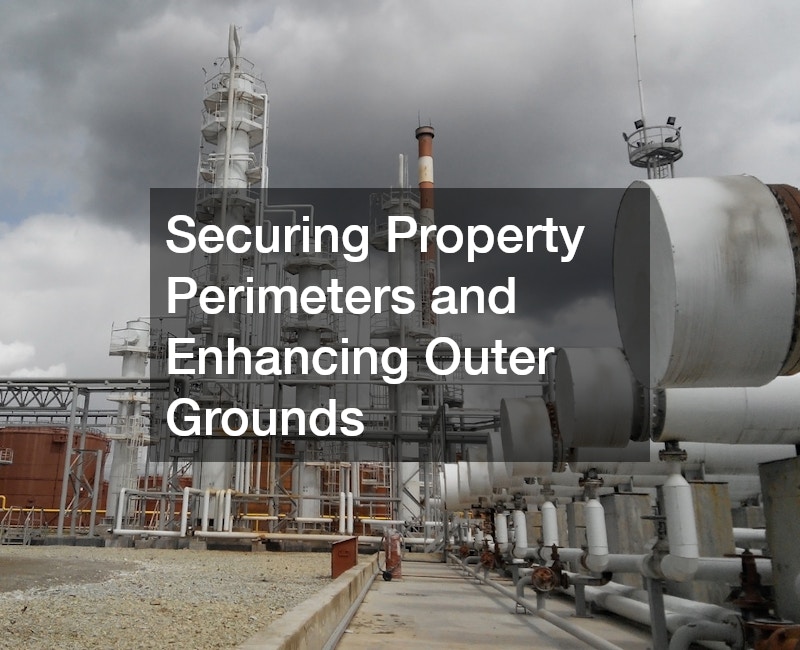
Physical security, perimeter control, and streamlined traffic access management are just as vital as interior technology upgrades. High-value inventory, automated yard management systems, and round-the-clock heavy transport movements demand robust exterior controls to keep operations running safely without unauthorized interference. Modern industrial facilities rely on heavy-duty physical barriers, automated access gates, and clearly designated pedestrian safety lanes to isolate human foot traffic from autonomous freight vehicles and heavy delivery trucks.
To achieve this level of security, property managers routinely partner with specialists in commercial fencing to design and construct reinforced perimeter enclosures, anti-climb security barriers, and automated gate systems integrated with modern digital access software. These heavy barriers deter security threats while facilitating efficient truck check-ins at access points. At the same time, managing surrounding green space and soil stability is essential for environmental compliance and drainage control. Working alongside a professional commercial landscaping company ensures that property grounds feature effective erosion prevention, proper stormwater drainage retention ponds, and clean line-of-sight clearing for security cameras. Selecting native, low-maintenance vegetation reduces ongoing exterior maintenance costs while elevating the overall curb appeal of the corporate site. A well-engineered exterior creates an impressive, highly secure environment for logistics partners, enterprise executives, employees, third-party contractors, municipal inspectors, and prospective investors arriving at the facility.
Managing Waste and Debris During Structural Demolition
Upgrading an established industrial space almost always requires taking down old internal partition walls, removing obsolete timber pallet racks, breaking up damaged concrete flooring, and clearing out legacy mechanical infrastructure. The sheer volume of demolition waste generated during early renovation phases can quickly overwhelm an active worksite if not managed with a structured waste disposal plan. A cluttered, disorganized construction zone elevates safety risks for trade workers and causes severe delays for incoming installation schedules.
To keep the operational site organized and safe, project supervisors regularly deploy a high-capacity commercial trash dumpster to collect non-hazardous demolition debris, scrap steel, electrical conduit, and discarded building materials systematically. Staging dedicated waste containment units near primary loading bays allows demolition crews to clear out interior materials continuously without blocking vital driveways or equipment unloading areas. Efficient waste segregation strategies also allow facilities to recycle substantial quantities of concrete, structural steel, and metals, directly supporting corporate sustainability goals during the retrofit process. By keeping interior pathways clear of clutter, site managers minimize trip hazards, accelerate daily trade operations, improve overall site safety, maintain strict regulatory environmental compliance standards, and ensure downstream specialist teams enter a clean, ready-to-work facility.
Upgrading Electrical Infrastructure for Automation
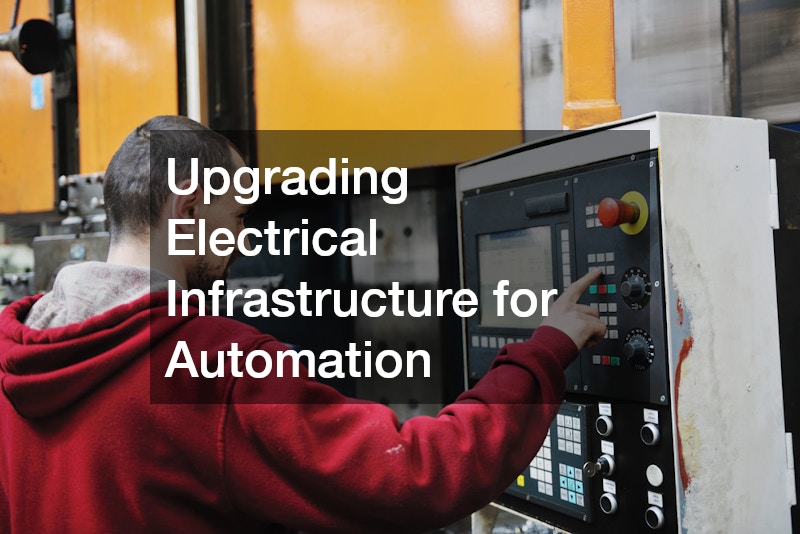
Automated distribution hubs and smart manufacturing facilities consume drastically more power than traditional static storage warehouses. Continuous conveyor networks, automated sorting matrixes, multi-vehicle battery charging stations, and high-density computing servers impose unprecedented demands on facility electrical capacity. Legacy electrical service panels, transformer units, and wiring networks are rarely capable of supplying the clean, uninterrupted electrical current required by sensitive digital control systems.
To overcome these severe power constraints, facility operators rely on master electrical contractors to conduct thorough load calculations, install step-down transformers, and upgrade primary electrical service feeds. These specialized technicians engineer redundant circuitry and uninterruptible power supply systems that guard delicate automation hardware against voltage dips, power surges, and regional blackout events. They also lay extensive heavy-duty conduit runs and install overhead power drop lines across the floor, providing flexible, scalable power access wherever equipment is stationed. Furthermore, high-efficiency LED industrial lighting networks equipped with smart daylight-harvesting sensors are installed overhead, drastically cutting facility power consumption while providing crisp, bright illumination for both human staff and machine vision camera systems. Solid electrical engineering serves as the foundational backbone for high-tech industrial automation, continuous plant productivity, maximum energy efficiency, operational reliability, and future technological expansions across all manufacturing sectors.
Modernizing Plumbing Systems and Fluid Handling
While electrical system upgrades often dominate conversations surrounding warehouse modernization, mechanical and plumbing infrastructure requires equal engineering focus. High-tech industrial facilities support larger onsite workforces, specialized automated processes, and advanced climate control systems that demand reliable, high-capacity fluid handling capabilities. Upgrading aging supply pipes, employee sanitation facilities, and specialized drainage channels is essential for supporting scaled daily operations.
Facility owners routinely hire experienced commercial plumbers to replace corroded piping with high-durability industrial materials and install high-flow backflow prevention assemblies. In automated facilities handling food products, pharmaceuticals, or liquid chemicals, custom fluid processing lines, grease traps, and chemical interceptors are essential for regulatory compliance and environmental safety. Modernized plumbing infrastructure also supports industrial cooling towers, condensation collection systems, and strategically placed emergency safety showers across the production floor. Upgrading employee breakroom and restroom facilities with low-flow, motion-activated fixtures lowers municipal water usage, contributing to lower utility bills. Ensuring water supply and liquid waste management systems operate at peak efficiency prevents sudden operational stoppages, protects physical capital assets, avoids costly environmental liabilities, and maintains a safe, hygienic, and highly functional environment for all facility personnel.
Installing Advanced Industrial Flooring Solutions
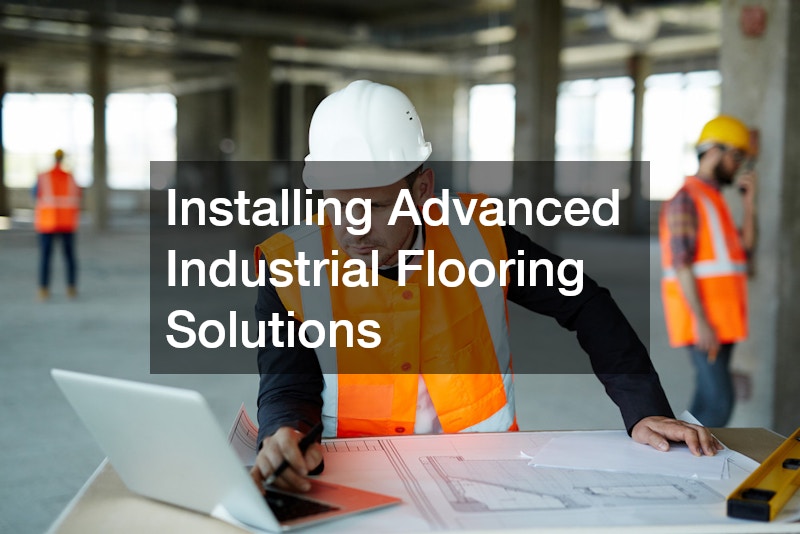
Autonomous mobile robots, laser-guided carts, and high-reach turret trucks require exceptionally smooth, durable, and level floor surfaces to operate safely and effectively. Microscopic slab cracks, joint spalling, or minor surface unevenness can disorient sensitive laser guidance sensors, trigger calibration errors, or cause premature wheel wear on costly robotic fleets. As a result, floor stabilization and surface refinement represent critical milestones in any comprehensive warehouse modernization initiative.
Facility engineers frequently specify specialized commercial floor coatings to create seamless, chemical-resistant, and high-impact floor surfaces across the entire working area. High-performance epoxy and polyaspartic coating systems shield underlying concrete slabs against chemical spills, heavy equipment drops, and continuous rolling friction. These advanced coating formulations can also be engineered with anti-static properties, preventing electrostatic discharge from damaging delicate microprocessors housed inside robotic machinery. Additionally, contrasting floor coatings are utilized to designate dedicated safety travel corridors for autonomous vehicles, pedestrian walking tracks, and restricted equipment zones. A perfectly leveled, polished, and protected floor enhances workplace safety, optimizes robotic navigation speeds, reduces equipment downtime, protects high-value inventory, improves indoor cleanliness, and significantly lowers long-term facility floor repair and ongoing maintenance expenses.
Enhancing Interior Finishes and Visibility
Bright, clean, and meticulously color-coded interior environments boost worker morale, support optical camera guidance systems, and reinforce strict operational safety standards. Legacy industrial facilities are often characterized by dim lighting, bare concrete block walls, and dark metal trusses that absorb ambient light, making navigation difficult. Updating internal surfaces with modern reflective coatings transforms dark, industrial spaces into brightly lit, highly professional environments.
Property executives regularly engage a professional commercial interior painting service to apply high-performance, low-VOC paint coatings across interior wall surfaces, concrete block, structural columns, and exposed ceiling frameworks. Applying reflective white or off-white coatings across upper walls and ceiling trusses maximizes light bounce from overhead fixtures, drastically reducing the overall electrical wattage needed to illuminate the facility floor properly. Specialized industrial painters also apply vibrant, standardized color coding across structural support beams, fire emergency pathways, utility lines, and hazardous machinery enclosures. Durable, high-sheen interior wall paints resist moisture accumulation and are easy to wash down, creating a clean, bright, inviting workspace that reflects high standards to visiting clients, auditors, regulatory health inspectors, and corporate partners.
Managing Asset Relocation and Transition Logistics
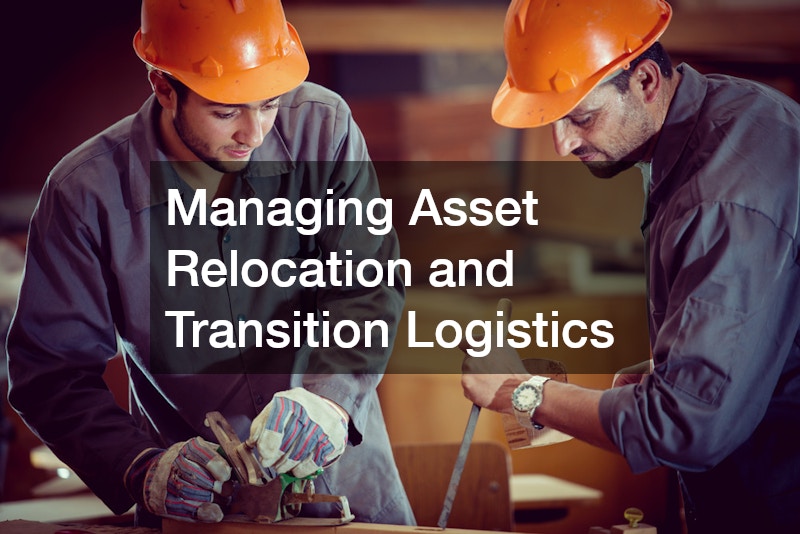
Migrating active operations into a newly modernized, high-tech warehouse environment requires meticulous logistical planning to prevent expensive operational downtime. Moving complex computer server racks, high-precision manufacturing tools, raw material inventories, and finished goods involves intricate logistics that must operate on tight timeframes. Businesses cannot afford prolonged operational stalls that disrupt supply chain commitments or delay customer order fulfillment.
Partnering with an experienced commercial moving firm ensures that high-value equipment and sensitive technology assets are systematically inventoried, packed, transported, and reassembled with absolute precision. Professional industrial movers utilize specialized air-ride transport trailers, heavy-duty rigging equipment, and custom protective crating to transport delicate technical assets safely between facilities. They work directly alongside facility directors to execute phased relocation schedules, enabling sections of the existing business to stay fully operational while new equipment is commissioned in updated zones. Methodical relocation management guards against hardware damage, maintains chain-of-custody security for high-value stock, minimizes operational friction, protects overall business continuity, and ensures a smooth, predictable transition into the upgraded operational space without unnecessary delays or supply chain bottlenecks.
Maintaining Long-Term Value and Operational Continuity
Modernizing an industrial facility represents a major capital commitment that yields exponential returns in operational efficiency, fulfillment speed, and workplace safety. Converting a conventional storage warehouse into an advanced automated logistics hub requires harmonious orchestration across every architectural, mechanical, electrical, and structural discipline. By assembling an elite team of specialized trade partners from initial planning through final equipment commissioning, enterprise leaders build resilient facilities capable of thriving in a fast-evolving global marketplace.
Long-term operational success ultimately relies on establishing proactive maintenance protocols once construction is complete. Routine inspections of roof membranes, electrical service distribution panels, durable concrete floor surfaces, and exterior security barriers preserve overall asset value and prevent costly operational halts. As digital automation, machine learning, and robotic logistics continue to advance, a flexible, modernized industrial facility provides the essential physical foundation required to integrate next-generation innovations seamlessly for decades to come. Investing in continuous physical upgrades ensures the facility remains agile, highly competitive, resilient, versatile, highly profitable, and fully equipped to meet changing commercial demands across all future market cycles.
About the Author