Growing a business from a modest regional warehouse to a sprawling industrial compound is an impressive milestone for any enterprise. This expansion clearly shows that consumer demand is rising, production schedules are intensifying, and the company is ready to capture a much larger market share. However, successfully managing an operational leap of this size requires a completely different approach than running a standard commercial office move. Expanding into a massive compound introduces complex structural challenges, rigorous zoning compliance demands, and major logistics hurdles that can easily overwhelm internal teams without a clear roadmap.
Without a phased, highly structured onboarding checklist, the entire expansion process can easily stall, leading to prolonged operational downtime, unexpected financial leaks, and costly regulatory delays. Transitioning to a large-scale facility requires clear coordination across numerous specialized fields, including structural engineering, perimeter defense, utility upgrades, and heavy equipment transport. This guide provides an actionable framework to help facilities managers navigate the unique complexities of scaling up, ensuring the new compound becomes a safe, high-performing hub that supports long-term corporate business goals.
Laying the Groundwork with Structural Evaluations
The first step in scaling up operations is ensuring that the physical shell of the new facility can support intensive industrial workloads. A massive industrial compound must withstand heavy equipment weight, heavy daily traffic, and continuous mechanical vibrations without experiencing structural fatigue. Before any machinery is delivered to the active site, engineering teams must conduct thorough inspections of the foundation concrete slabs, load-bearing walls, and overhead support structures. For major structural adaptations or spatial additions, working with established commercial construction companies is a vital part of the process. These experienced building professionals evaluate the structural integrity of the property, verify architectural blueprints, and handle any necessary structural retrofits to guarantee compliance with modern safety codes. This specialized oversight prevents catastrophic failures during peak operational hours.
Failing to perform these essential evaluations early can result in severe structural damage down the road, such as cracked concrete floors beneath heavy machinery or failed municipal building inspections. Securing a detailed engineering report gives management peace of mind and provides a reliable framework for subsequent facility upgrades.
Establishing Secure Property Boundaries

Managing a large industrial compound requires an effective perimeter security strategy from the very beginning. Unlike a compact warehouse where a simple lock and key might provide enough protection, an expansive compound features multiple entry points, loading bays, and valuable outdoor storage yards. The outermost line of defense centers on physical barrier control. Installing heavy-duty fencing along the entire property perimeter is an effective way to deter unauthorized entry, prevent cargo theft, and clearly define corporate property boundaries. This physical boundary should be equipped with automated access gates that allow security teams to monitor and control the arrival of employees, visitors, and freight trucks.
Beyond basic asset protection, a well-planned perimeter layout improves traffic management across the entire site. By creating dedicated pathways for heavy commercial freight trucks and separating them from passenger vehicles, companies can drastically reduce the risk of workplace accidents. Choosing the most appropriate height and material for these boundary barriers depends heavily on local municipal zoning codes and specific insurance mandates.
Fortifying the Building Envelope
Protecting valuable indoor assets requires ensuring that the building envelope is completely weatherproof. A large-scale industrial facility features a massive roof surface area, which naturally increases the potential points of water infiltration or structural wear. A minor roof leak can destroy expensive raw materials, short-circuit sensitive electronic control panels, and cause unexpected production shutdowns that cost thousands of dollars per hour. To avoid these expensive headaches, facilities managers should hire a qualified commercial roofer to complete a thorough, top-down inspection of the entire roof deck before moving any single piece of inventory inside. These professionals look for hidden moisture traps, repair damaged flashing, and verify the overall structural integrity of the entire roof system.
In many situations, older industrial properties require specialized protective coatings or targeted roof reinforcements to withstand severe weather events and heavy wind loads. Establishing a routine preventative maintenance schedule during this early onboarding phase ensures that minor wear is addressed before it develops into an expensive facility crisis.
Upgrading High-Voltage Power Networks
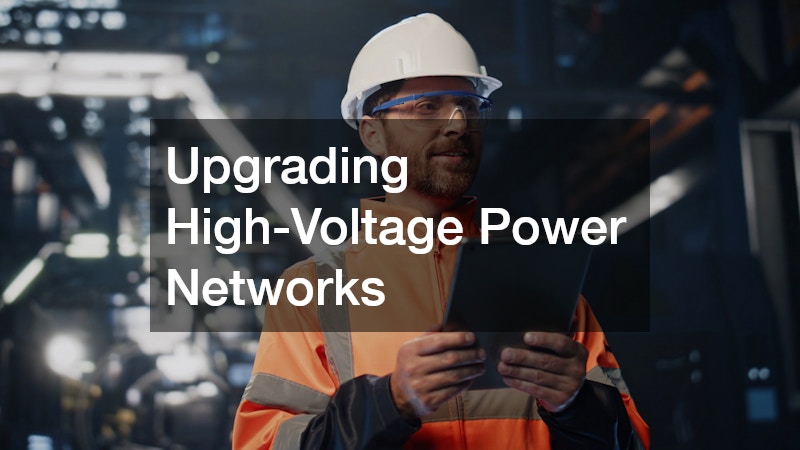
Small warehouses generally operate on standard commercial electrical grids, but a massive industrial compound requires a much higher volume of electrical power. Running heavy manufacturing equipment, automated packaging lines, and extensive facility lighting networks demands specialized high-voltage infrastructure. Operational teams must partner with a qualified industrial electrician to evaluate the property’s existing switchgear, main distribution panels, and transformers. This specialized professional ensures that the electrical system can support increased operational demands safely, minimizing the risk of dangerous electrical overloads, sudden power surges, or frequent circuit breaker trips.
Setting up dedicated power drops for heavy machinery and installing automated backup generator systems are essential steps for protecting business continuity during unexpected local power failures. Integrating smart energy monitoring devices into the electrical grid at this stage also allows managers to track real-time power consumption and eliminate energy waste across the facility. Once the high-voltage electrical grid is fully operational and certified, the transition team can focus on other infrastructure layers.
Optimizing Industrial Water and Waste Lines
Industrial manufacturing and distribution processes often require complex water supply networks, high-capacity drainage systems, and specialized backflow prevention systems. Standard commercial plumbing setups are rarely built to handle the intense volume or specific chemical waste products generated within a large industrial plant. Coordinating with professional plumbers who have extensive experience in large-scale industrial configurations is a critical part of the facility onboarding checklist. These commercial specialists can perform high-resolution video scopes of the main sewer lines, install required grease traps or chemical separators, and verify that all water lines fully comply with strict municipal environmental guidelines.
Maintaining consistent water pressure is another critical factor, particularly if the industrial processes utilize water-cooled machinery, high-volume wash bays, or mandatory emergency safety eyewash stations. Solving plumbing failures after production lines are fully active is incredibly disruptive and expensive, so verifying system capabilities early saves significant time and money. Once the water distribution and waste disposal lines are functioning perfectly, the focus shifts to internal atmosphere controls.
Managing Atmosphere and Temperature Controls
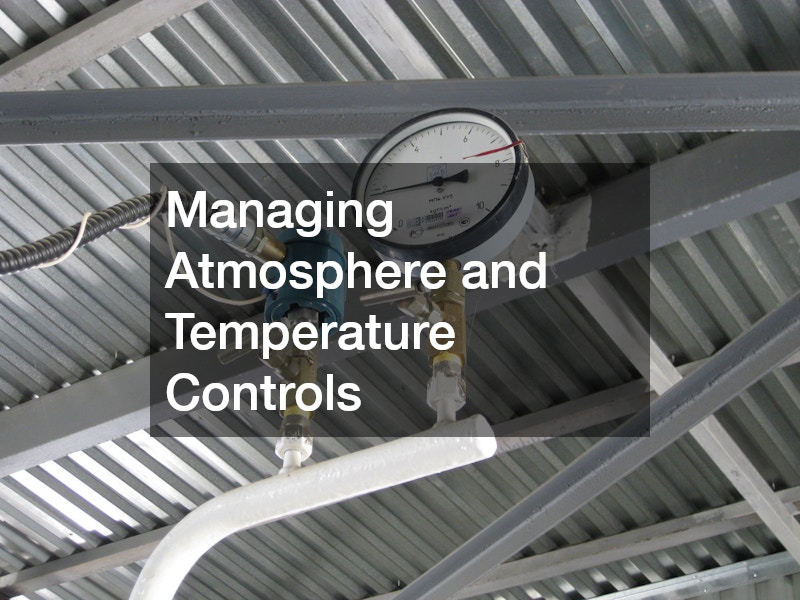
Regulating the indoor climate across a massive industrial compound presents significant engineering hurdles. Huge open spaces with high ceilings are prone to severe temperature variations, poor air circulation, and moisture accumulation that can harm both employee productivity and machinery calibration. To maintain a safe and comfortable environment, the facility must rely on sophisticated industrial HVAC systems capable of circulating massive volumes of air continuously. These advanced climate systems do much more than simply regulate indoor temperatures; they also carefully control internal humidity levels and filter out harmful airborne pollutants or fine dust particles created during heavy production processes.
During the facility setup phase, certified technicians must balance these climate systems to establish distinct temperature zones across different sections of the compound. For example, sensitive server rooms or raw material storage zones require very strict temperature parameters compared to main assembly floors or loading docks. Setting up a strict maintenance plan for filter changes and duct cleaning during this stage ensures long-term system efficiency and protects indoor air quality.
Implementing Comprehensive Site Surveillance
With physical perimeters secure and utilities functioning, a modern industrial compound requires a digital security framework to monitor internal and external activities. Large manufacturing and logistics hubs possess numerous blind spots, long corridors, and high-value asset areas that require continuous, automated observation. Deploying high-definition CCTV systems allows security managers to monitor critical facility sectors from a centralized management station or via secure, encrypted mobile applications. These modern surveillance networks frequently utilize smart motion tracking to identify unusual activity or unauthorized boundary breaches immediately, sending instant, real-time alerts to security staff.
Positioning surveillance cameras strategically at shipping docks, main entry points, and inventory storage zones dramatically reduces the risk of external theft and internal asset loss. In addition, visible security cameras serve as a powerful deterrent against workplace safety violations and provide objective video evidence if an accident occurs on the production floor. Once the digital surveillance network is fully active and the property is secure, the interior environment must undergo deep cleaning.
Executing Final Deep Cleansing Operations
An industrial building that has just completed extensive utility upgrades, structural additions, and equipment installations will always be covered in heavy dust, construction debris, and leftover chemical residues. Allowing this industrial dust to remain on site can damage sensitive electronic equipment, clog fresh air filtration units, and create immediate respiratory health risks for the incoming workforce. Hiring professional post construction cleaners is the most reliable way to transition a messy construction environment into a spotless, regulation-compliant industrial workplace ready for immediate occupancy. These specialized cleaning crews possess the heavy-duty machinery and safety gear needed to completely eliminate fine silica dust, paint overspray, and industrial grime.
They systematically scrub the entire facility from the overhead support beams down to the sealed concrete floors, ensuring that every workspace meets occupational safety standards. This detailed deep cleaning is also a vital requirement for passing final municipal health inspections and obtaining an official certificate of occupancy. After the professional cleaning crews finish polishing the facility interior, the infrastructure is completely ready.
Orchestrating Heavy Equipment Logistics
Moving heavy production machinery, automated assembly lines, and industrial storage racks requires a high level of specialized logistics planning and rigging expertise. Traditional moving methods are entirely insufficient for transporting heavy, multi-ton equipment that must be handled carefully to preserve exact calibrations. Business leaders must secure the services of experienced commercial movers who own the cranes, specialized flatbeds, and heavy-duty rigging equipment required to lift, transport, and anchor large assets safely without damaging the property. These logistics specialists know how to distribute heavy weights correctly across transport vehicles and secure oversized loads to prevent any shifting during transit.
The timing of this machinery relocation phase must be carefully managed to avoid creating logistically blocked work zones inside the compound. Each piece of manufacturing equipment should be moved according to a detailed floor layout plan, ensuring that assets land directly next to their pre-installed utility hookups. Once the heavy operational machinery is securely anchored, calibrated, and connected to sources, the core production floor is ready.
Transitioning Administrative and Office Operations
While the manufacturing or distribution floor is the primary driver of revenue, an industrial compound cannot function without its administrative backbone. Transitioning executive offices, human resources departments, and customer service teams requires careful organization to prevent communication gaps. Hiring a reliable moving company to handle office furniture, filing systems, computer networks, and breakroom supplies ensures a smooth, hassle-free administrative handover. Labeling boxes clearly by department and utilizing specialized electronic crates helps protect sensitive office equipment and critical corporate documents during the transition.
This final wave of relocation should ideally occur over a weekend to minimize disruptions to client facing communications. Once the desks are assembled, the network servers are reconnected, and the office supplies are unpacked, the workforce can step into a seamless, fully integrated environment. With the office staff settled and the production floor operational, the entire facility scaling process reaches its successful completion, allowing the business to enter its next phase of commercial growth.
Operational Launch and Sustained Growth
Scaling from a small warehouse to a massive industrial compound is a monumental achievement that sets the stage for unprecedented business growth. However, success depends on executing a comprehensive onboarding strategy that treats the physical facility as a unified ecosystem. From reinforcing the structural foundation and weatherproofing the roof to upgrading high-voltage power grids and optimizing multi-zone climate systems, every step on the checklist plays a vital role in protecting capital investments.
By coordinating with specialized professionals at each phase, operations managers can avoid costly downtime, maintain strict regulatory compliance, and create a safe work environment for both everyday employees and heavy machinery. While the logistical hurdles of a large-scale facility transition can often appear daunting, a systematic approach transforms these challenges into a seamless, highly successful launch. Ultimately, a well-executed onboarding process ensures that the new industrial compound operates at peak efficiency from day one, giving the company a powerful competitive edge in the modern industrial market.
About the Author