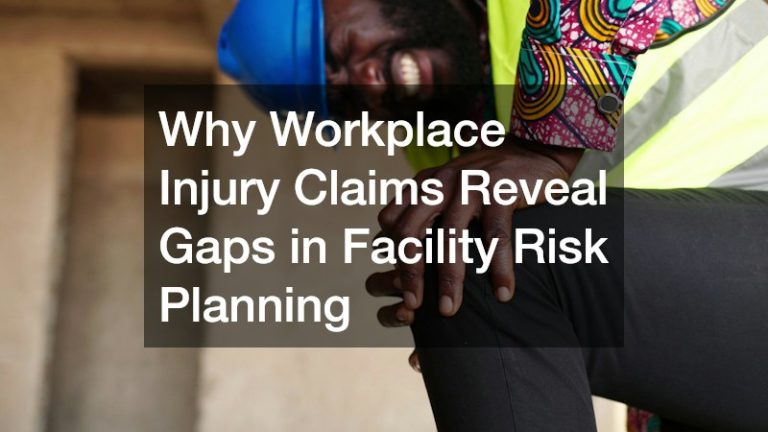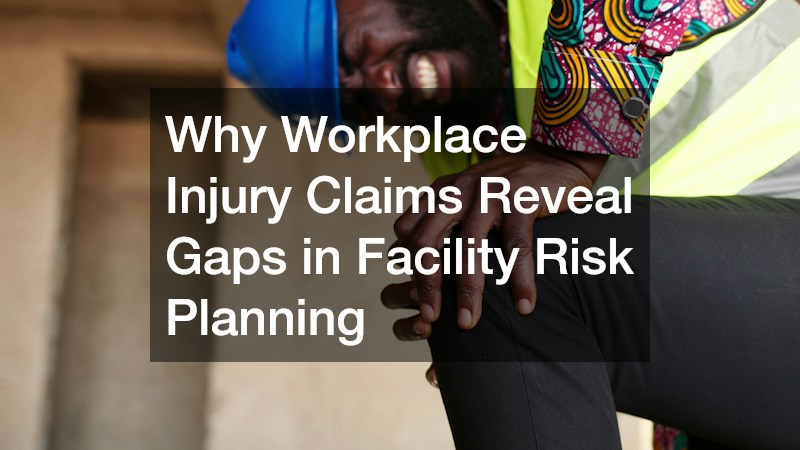
A workplace injury rarely happens in a vacuum. Behind most claims sits a chain of decisions about layout, equipment, and oversight that quietly set the stage for something to go wrong. If you are trying to understand why injuries keep happening at a facility, or you are evaluating a claim after one has happened to you, looking at how the building and its operations were planned can tell you more than the accident report itself. This article breaks down the common planning gaps that lead to injury claims and what they reveal about facility safety overall.
Reviewing Injury Reports for Recurring Patterns
Most facilities keep records of incidents, but few go back and look for patterns across months or years. A single slip-and-fall might look like an isolated event, but three similar falls in the same loading zone point to a design or maintenance issue rather than bad luck. Reviewing injury reports as a group, not as one-off events, is often the first step toward uncovering where risk planning fell short.
When patterns emerge, they usually trace back to a handful of root causes rather than random chance. Spotting these early can prevent future harm and also strengthen any claim tied to past incidents.
- Repeated injuries in the same physical location
- Clusters of claims tied to a specific shift or time of day
- Multiple incidents involving the same equipment or task
- Injuries that spike after staffing changes or layout changes
Building Layout and Structural Design Choices
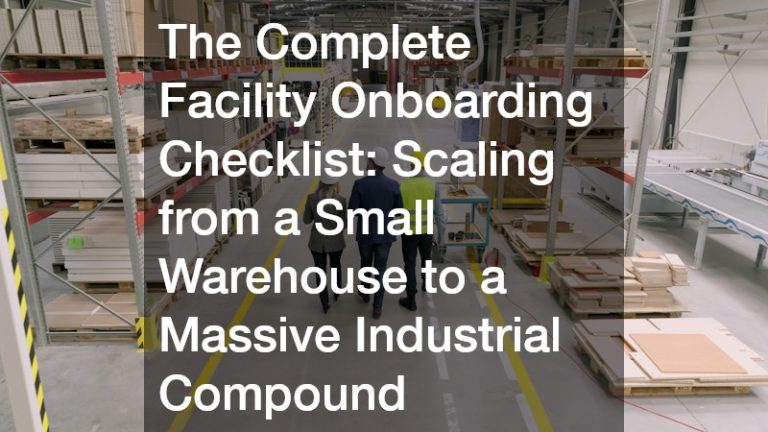
The physical structure of a facility shapes how safely people can move through it every day. Buildings with awkward column placement, low clearance, or narrow aisles force workers into cramped movements that increase strain and collision risk. This is one reason many warehouses and manufacturing plants are shifting toward clear span buildings, which eliminate interior support columns and open up uninterrupted floor space for equipment, foot traffic, and emergency egress.
Open, column-free layouts also make it easier to plan clear sightlines for forklifts and pedestrians, reducing blind corners that commonly cause collisions. When a facility was built decades ago without this kind of flexibility in mind, retrofitting safety into a rigid structure becomes far harder and more expensive. That gap between original design and current operational needs is exactly where many injury claims originate.
Equipment Spacing and Traffic Flow Planning
Even a well-built facility can become hazardous if machinery and walkways were never planned together. Equipment is often added over time as a business grows, and new machines get placed wherever there is open floor space rather than where they fit safely into existing traffic patterns. This piecemeal approach creates pinch points where workers and vehicles cross paths without adequate warning or buffer space.
- Forklift paths that cross directly through pedestrian walkways
- Insufficient clearance around rotating or moving machine parts
- Storage racks placed too close to high-traffic aisles
- Blind spots created by stacked inventory or temporary equipment
Maintenance Schedules and Hazard Follow Up
A facility can have an excellent original design and still generate injury claims if maintenance lapses. Wet floors, broken guardrails, flickering lights, and worn flooring are rarely sudden failures; they are usually the result of a maintenance request that sat unaddressed for weeks. Tracking how quickly a facility responds to reported hazards often reveals whether safety is treated as a priority or an afterthought.
Facilities with strong safety cultures tend to document hazard reports, assign clear ownership for fixes, and set deadlines for resolution. Where this system breaks down, the same hazard can injure multiple workers before anyone takes it seriously. This is often the point where an injured worker starts asking harder questions about who knew what, and when.
Training Gaps and Supervisory Oversight
Physical hazards get most of the attention, but a lack of proper training is just as often behind a workplace injury claim. Workers who were never shown the correct way to operate equipment, lift heavy loads, or respond to an emergency are set up to make mistakes that look like personal error but are really organizational failures. Supervisors play a key role here, since inconsistent enforcement of safety rules sends a message that shortcuts are acceptable.
- New hires placed on equipment without documented training
- Safety briefings that happen once and are never repeated
- Supervisors who do not enforce protective equipment rules
- No clear process for workers to report unsafe conditions
Understanding Your Options After an Injury Occurs

When an injury does happen, the claims process can feel overwhelming, especially while recovering physically. The first 24 to 48 hours matter most: document everything as soon as possible, including photos of the hazard from multiple angles, the names and contact information of witnesses, and a written account of what happened before memories fade or details get lost. It also helps to request a copy of the official incident report filed with the facility and to keep records of medical visits, diagnoses, and any work restrictions a doctor assigns. Save pay stubs or scheduling records too, since lost wages often become a key part of calculating what a claim is worth. Many injured workers find it useful to consult personal injury lawyers early on, often during a free initial consultation, since understanding whether a facility’s design or maintenance failures contributed to the incident can significantly affect the outcome of a claim. A cracked walkway, inadequate lighting, or a missed inspection schedule can shift liability beyond simple workers’ compensation and into broader premises liability territory. Workers should also be aware of filing deadlines, which vary by state and claim type, sometimes requiring action within just a few weeks of the incident. Missing these windows can forfeit benefits entirely, making early guidance from a qualified professional one of the most practical steps toward protecting both health and financial recovery.
Getting clarity on liability does not need to be adversarial right away. Simply gathering facts about what the facility knew, what it fixed, and what it ignored can clarify whether an injury was preventable. That information benefits both the worker seeking fair treatment and the business trying to close the gap that caused the problem in the first place. Several sources of documentation can establish this timeline quickly. Maintenance logs, prior incident reports, safety inspection records, and even employee complaints filed months earlier often reveal whether a hazard was known and left unaddressed. A spill that caused a fall, for instance, carries very different implications if three similar incidents were reported in the same spot over the prior year. Workers have options worth understanding before deciding how to proceed. Filing a workers’ compensation claim is usually the first and most direct path, but in cases involving third-party equipment failures, contractor negligence, or willful safety violations, additional legal avenues may apply. Consulting with an attorney or safety advocate early on can help clarify which route fits the circumstances, without assuming litigation is the only outcome. For the business, this same fact-finding process doubles as a diagnostic tool. Reviewing the sequence of events, identifying who had authority to flag the hazard, and checking whether existing protocols were actually followed can expose weak points in supervision or training. Treating the investigation as a shared fact-finding exercise, rather than a defensive maneuver, tends to produce faster resolutions and more durable fixes.
Workplace injuries are rarely just bad luck; they are often the visible result of planning decisions made months or years earlier. By examining layout, equipment placement, maintenance habits, and training together, both employers and employees can see where risk planning quietly failed. If you have been injured or you are responsible for facility safety, start by reviewing the patterns behind past incidents rather than treating each one in isolation. That broader view is what turns a single claim into a genuine opportunity for lasting change.
About the Author