Managing a large commercial property requires balancing dozens of moving parts. From ensuring tenant safety to keeping utility costs manageable, facility managers handle a massive workload every single day. A proactive approach to building maintenance prevents small issues from turning into expensive emergencies down the road. Property managers who track their building systems seasonally can extend the operational life of their equipment and protect their financial bottom line. Whether a building is a historic storefront or a brand new piece of commercial construction, keeping a detailed log of structural health is vital. This comprehensive checklist provides a structured guide to managing a facility through every season of the year, focusing on efficiency, security, and long-term durability. By breaking down tasks into quarterly objectives, operations teams can stay ahead of wear and tear, keep occupants comfortable, and maintain compliance with local regulations. Real estate assets require consistent attention, and establishing a regular cadence for upkeep is the best way to ensure nothing slips through the cracks. Examining how systematic seasonal planning can transform standard property management reveals a seamless, highly predictable operation that benefits owners and tenants alike. With proper foresight, teams can eliminate unexpected capital outlays and optimize daily business operations. This strategic approach turns property management from a source of unexpected stress into a valuable asset for the entire enterprise.
Spring Inspections and Building Envelope Care
The arrival of spring marks the perfect time for a thorough structural recovery assessment. Winter storms, freezing temperatures, and heavy snow loads place immense stress on a building exterior over the darker months. Once the ice clears, facility teams should perform a complete walk-around inspection of the property perimeter to identify winter wear. They need to check the masonry for cracks, ensure gutters clear water away from the foundation, and inspect the roof for ponding water or torn membranes. In cases where winter damage is extensive, simple patch jobs might not cut it anymore. Property owners may need to invest in a professional commercial reroofing service to completely restore the overhead envelope before spring downpours cause internal water damage. Beyond the roof, teams should check exterior drainage systems, clean out accumulated debris from catch basins, and inspect parking lot surfaces for fresh potholes. Taking these steps in the early months of spring sets a strong foundation for the rest of the year, keeping the property safe, dry, and visually appealing to the public. Preventive checks now save thousands of dollars later, allowing teams to allocate resources to other pressing facility goals.
Summer Climate Readiness and Comfort Optimization
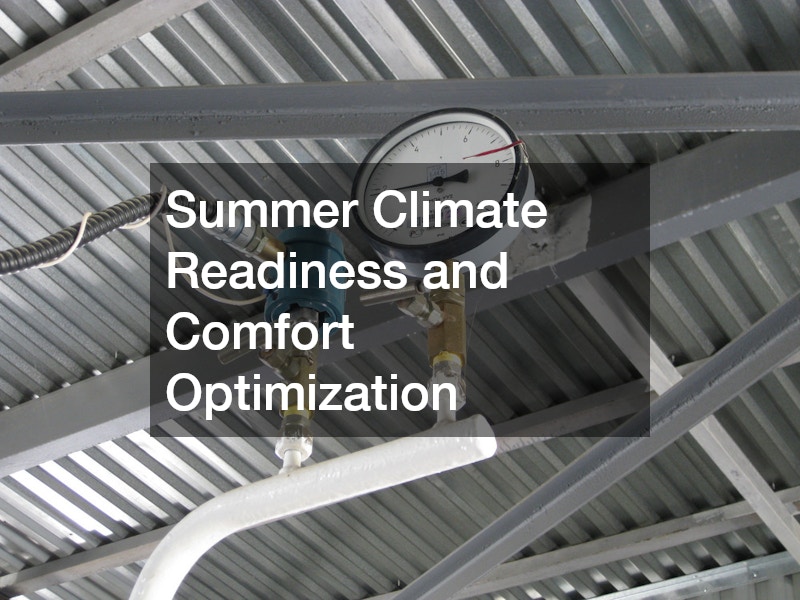
As temperatures rise, the focus of facility management shifts heavily toward indoor comfort and energy efficiency. High summer heat can strain cooling systems to their absolute limits, leading to sudden failures if the equipment is neglected. Before the first major heatwave hits the region, facility managers must schedule comprehensive tune-ups for all cooling units. Working closely with a licensed air conditioning contractor ensures that technicians check refrigerant levels, replace worn belts, clear condensate lines, and install clean air filters. These simple preventative steps improve indoor air quality and help lower monthly energy bills significantly by reducing system resistance. A well-maintained cooling system runs more efficiently, reducing strain on the local electrical grid and keeping tenants comfortable throughout the workday. Operations teams should also verify that thermostats are calibrated correctly and that automated climate schedules match actual building occupancy hours. Taking a few hours to optimize these systems in May prevents operational disasters in August, ensuring a cool, productive environment for everyone inside the building. Regular oversight keeps units running smoothly when the outside weather becomes unforgiving and demands peak performance.
Sourcing Equipment and Supply Chain Strategy
Behind every efficient climate system is a network of reliable parts and specialized industrial machinery. When components fail during peak seasons, waiting weeks for a replacement part can disrupt business operations and harm occupant comfort. Savvy property directors minimize this risk by establishing relationships with reputable commercial HVAC suppliers long before any equipment breaks down. Knowing where to source industrial-grade fans, compressors, motors, and electronic controllers ensures faster turnaround times for standard upgrades and unexpected fixes. Maintaining open communication with parts suppliers also helps facility teams budget accurately for upcoming capital improvements and modernizations. When operations managers understand current lead times and equipment availability, they can plan retrofits without causing major disruptions to daily operations. A strong supply chain network is a powerful asset for any facility management team looking to maintain continuous climate control and long-term mechanical reliability. Partnering with elite distributors gives property owners a competitive edge in maintaining an uninterrupted business flow year-round, protecting their investments and keeping operations running smoothly regardless of outside commercial challenges.
Protecting Internal Flooring Investments and Safety
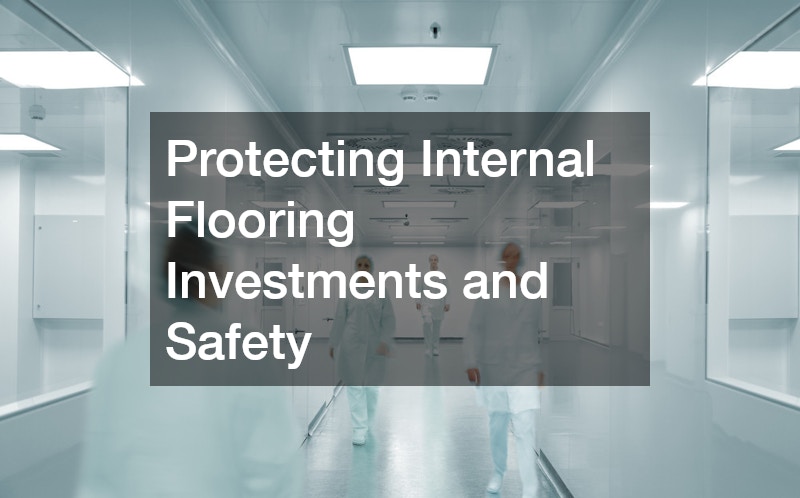
While exterior maintenance protects a building from the elements, interior upkeep ensures daily operations run smoothly and safely. Floors bear the brunt of commercial activity, enduring constant foot traffic, heavy equipment movement, and occasional chemical spills. Standard concrete subfloors can crack, stain, and produce fine dust over time, creating safety hazards and aesthetic issues in industrial layouts. To prevent this degradation, many facility managers opt to install high-performance commercial epoxy floors in heavy-use zones. These specialized coatings create a seamless, non-porous barrier that resists heavy impact, prevents liquid penetration, and stands up to harsh cleaning agents. They are ideal for manufacturing zones, warehouse bays, commercial kitchens, and mechanical rooms where hygiene and durability are paramount. Beyond their impressive strength, these sleek floor coatings improve brightness by reflecting overhead light, creating a safer and more appealing workspace for employees. Investing in durable surfaces reduces long-term maintenance costs and minimizes the need for frequent, disruptive floor repairs that can break operational timelines, delay client deliveries, and impact company profits negatively over time.
Upgrading Structural Openings and Building Transitions
Every entryway in a building serves multiple critical functions, from controlling traffic flow to preserving internal temperatures. Heavy daily usage takes a toll on hinges, frames, and alignment, which can lead to drafts or security vulnerabilities over time. Facility teams should dedicate time every quarter to inspect all commercial doors across the entire property. They must ensure that fire-rated entryways close completely on their own and that weather stripping remains intact to keep out dust and moisture. Misaligned entryways strain closing mechanisms and allow conditioned air to escape, driving up utility expenses unnecessarily during extreme weather. Checking the physical integrity of these openings helps maintain the building envelope and ensures compliance with local fire codes. Technicians should lubricate hinges, check frame seals, and fix any sagging structures before they cause permanent damage. Keeping these primary access paths in excellent condition protects the building interior and provides a professional impression for clients, visitors, and incoming staff members who enter the facility daily. Regular monitoring ensures that structural access points remain durable and operate perfectly under heavy daily workload stress.
Optimizing Physical Security and Locksmithing Hardware

A comprehensive facility checklist must prioritize the safety of the building occupants and physical assets. Security starts at the perimeter and extends to sensitive internal rooms like server closets, inventory spaces, and executive offices. Property managers should regularly audit all locking mechanisms to ensure they operate smoothly and resist tampering from external threats. Verifying that each commercial door lock engages fully and operates without sticking is a simple way to prevent unauthorized access and protect inventory. If a lock feels loose or a key binds inside the cylinder, immediate maintenance is required to avoid accidental lockouts or security breaches. Many modern facilities are upgrading from mechanical keys to electronic access control systems, which require regular software updates alongside physical hardware checks. Whether utilizing traditional deadbolts or smart card readers, keeping locking systems maintained is a non-negotiable part of professional property management. Regular inspections ensure that security personnel can secure the campus layout effectively and protect the company from unexpected liabilities, intellectual property theft, and physical inventory shrinkage.
Maintaining Automated Entryways and Accessibility Compliance
Modern commercial spaces frequently use motorized entrances to welcome guests, streamline traffic, and meet strict accessibility regulations. Slide doors, overhead sensors, and wave-to-open buttons experience continuous mechanical stress in busy environments like retail hubs or healthcare centers. When these automated systems experience glitches, they create immediate operational bottlenecks and increase the risk of personal injury lawsuits. Facility directors must prioritize professional automatic door repair services the moment a sensor fails or a motor begins to drag. Regular testing of safety sensors ensures that doors reverse direction when an obstacle is present, protecting pedestrians from accidental impacts. Staying compliant with the Americans with Disabilities Act requires these automated entries to function flawlessly at all times. Specialized technicians can calibrate closing speeds, check backup battery systems, and replace worn belts before a total mechanical breakdown occurs. Keeping entry paths open is essential for smooth business operations and ensures that individuals of all abilities can navigate the building safely without facing unnecessary physical hurdles or frustrating delays.
Preparing for Winter Weather Liabilities and Site Clearance

As autumn arrives, facility managers must shift their attention toward preparing the property for freezing temperatures and winter storms. Cold weather brings unique liabilities, particularly regarding pedestrian safety on walkways, sidewalks, and parking areas. Accumulating snow and black ice can paralyze a business operation and lead to expensive slip-and-fall injury claims if left unmanaged. To mitigate these serious risks, building operators must secure a contract with a dependable commercial snow removal company long before the winter season begins. Establishing clear parameters for clearing thresholds, salt application, and response times ensures the property remains safe and open during major winter events. Waiting until the first major snowstorm to find a clearing service often results in long delays and inflated emergency rates due to high demand. Proactive winter planning protects tenants, keeps shipping lanes open, and ensures emergency vehicles can always access the property without delay. Developing this seasonal relationship gives facility managers complete peace of mind when freezing temperatures arrive and icy roads threaten daily business productivity.
Budgeting for Mechanical Failures and Emergency Repairs
Even with the most rigorous preventative maintenance schedules, mechanical systems can occasionally fail due to unexpected stress or component wear. When heating or cooling systems break down during extreme weather, the consequences extend beyond simple physical discomfort. Internal temperature spikes or drops can damage sensitive server equipment, ruin temperature-dependent inventory, and force temporary business closures. For these reasons, property managers must allocate dedicated funds within their operational budgets for unexpected commercial HVAC repairs. Having a pre-vetted service team ready to respond to emergencies minimizes system downtime and prevents minor component failures from turning into total system replacements. Quick diagnostic actions can resolve airflow issues, electrical glitches, or thermostat malfunctions before they impact the entire building infrastructure. Maintaining an emergency response plan for mechanical infrastructure is a cornerstone of professional facility management, ensuring the property remains resilient, functional, and completely safe for all building occupants through any extreme climate shifts that may occur during the year. This active financial strategy prevents short-term maintenance hurdles from becoming long-term budget drains.
The Strategic Value of Preventative Care
Successful facility management requires a careful balance of foresight, organization, and reliable vendor partnerships. By breaking down large property tasks into manageable seasonal objectives, property managers can extend the operational lifespan of their building assets and drastically reduce unexpected capital expenses. A well-maintained building operates efficiently, stays secure under pressure, and provides a safe, welcoming environment for everyone who walks through its doors. Consistency is the true key to avoiding operational downtime and keeping tenants satisfied over the long haul. While regular inspections require an investment of time and resources upfront, the savings realized by preventing major system breakdowns far outweigh these minor costs. Implementing a structured annual checklist empowers operations teams to move away from chaotic emergency handling and toward a predictable, smooth maintenance routine. Ultimately, proactive property care safeguards the structure, enhances asset longevity, and ensures business continuity through every seasonal shift the year brings, fostering long-term organizational success and financial predictability. Property directors who follow these guidelines create environments where businesses can truly thrive without worrying about infrastructure stability.
About the Author